You Won’t Age the Way You Think—Here’s What Actually Slows It Down
Aging isn’t just about wrinkles or gray hair—it’s deeply tied to how well your body resists disease over time. I used to think genetics decided everything, but science now shows daily habits play a far bigger role. What we eat, how we move, and even how we sleep can slow cellular aging and lower the risk of chronic illness. This isn’t about looking younger—it’s about staying healthier, longer. The good news? You don’t need expensive treatments or miracle cures. Real longevity begins with choices you can start making today—choices that support your body’s natural ability to heal, renew, and thrive. Aging may be inevitable, but how fast it happens—and how well you feel along the way—is largely within your control.
The Hidden Link Between Aging and Disease
Many people assume aging simply means getting older—gradually slowing down, developing aches, and eventually facing illness. But modern science reveals a deeper truth: aging is the single largest risk factor for most chronic diseases, including heart disease, type 2 diabetes, Alzheimer’s, and many cancers. It’s not just time that increases disease risk—it’s what happens inside the body as cells accumulate damage, inflammation rises, and repair systems weaken. Think of your body like a well-built car. With regular maintenance—quality fuel, timely tune-ups, and careful driving—it can run smoothly for hundreds of thousands of miles. But neglect it, and even the strongest engine will break down prematurely.
What matters most isn’t just how long you live, but how many of those years are spent in good health. This is known as healthspan—the period of life free from serious disease and disability. While lifespan measures total years, healthspan reflects quality of life. Two people might both live to 85, but one spends their final 15 years managing multiple chronic conditions, while the other remains active, independent, and vibrant. The difference often comes down to lifestyle choices made decades earlier. Biological aging isn’t passive. It’s an active process influenced by diet, movement, sleep, and stress—all of which either accelerate or slow cellular decline.
One key player in this process is chronic inflammation. Often called “inflammaging,” this low-grade, persistent inflammation damages tissues over time and is linked to nearly every age-related disease. It’s not the kind of inflammation you feel—like a swollen ankle or sore throat—but a silent, internal process driven by poor diet, inactivity, and long-term stress. The encouraging part? Unlike genetic factors, these drivers are modifiable. You can’t change your DNA, but you can change how it expresses itself through daily habits. That means the trajectory of your aging is not fixed. By understanding the biology behind it, you gain the power to influence it positively, starting now.
Why Prevention Beats Treatment Every Time
Most healthcare systems focus on treating illness after it appears. But when it comes to aging and chronic disease, waiting for symptoms is like waiting for a roof to leak before checking for damage. By the time high blood pressure, insulin resistance, or joint pain becomes noticeable, the underlying processes have often been building for years—sometimes decades. Research shows that arterial plaques linked to heart disease can begin forming in early adulthood. Similarly, changes in brain structure associated with cognitive decline may start in midlife, long before memory issues emerge. This is why prevention isn’t just wise—it’s essential.
Preventive health is like investing in a retirement fund. Small, consistent contributions grow over time, creating security and freedom later. The same principle applies to your body. Eating a balanced meal, taking a 20-minute walk, or getting seven hours of sleep may seem minor in the moment, but their effects compound. Over time, these choices reduce inflammation, support metabolic health, and strengthen immune function. The reverse is also true: daily habits like skipping exercise, eating processed foods, or chronic sleep deprivation quietly erode health, increasing the likelihood of disease.
One of the most powerful concepts in preventive medicine is resilience—the body’s ability to withstand stress and recover quickly. A resilient system handles challenges without breaking down. Think of two trees in a storm: one with deep roots and flexible branches survives, while another with shallow roots snaps. Your body’s resilience depends on how well you’ve maintained it. People who prioritize healthy habits don’t just avoid disease—they recover faster when illness does occur, respond better to medical treatments, and maintain independence longer. Prevention isn’t about living in fear of illness; it’s about building a body that can adapt, endure, and thrive through life’s natural changes.
Your Cells Are Listening: Lifestyle as a Signal
Every choice you make sends signals to your cells—telling them whether to repair, regenerate, or fall into decline. This is the foundation of epigenetics, the study of how behavior and environment influence gene activity without changing DNA itself. In simple terms, your genes are not your destiny. While you inherit certain genetic tendencies, it’s your lifestyle that determines which genes are turned on or off. For example, two people may carry the same genetic risk for heart disease, but only one develops it—based on differences in diet, activity, and stress management.
Diet plays a major role in this signaling process. When you eat a meal high in refined sugar and unhealthy fats, your body responds with spikes in blood glucose and insulin, along with increased inflammation. These signals tell cells to store fat, reduce insulin sensitivity, and activate stress pathways. Over time, this contributes to metabolic dysfunction. On the other hand, a meal rich in vegetables, whole grains, and healthy fats sends signals for balance, repair, and energy regulation. Even timing matters: eating late at night disrupts circadian rhythms, which in turn affects hormone balance and cellular cleanup processes.
Physical activity is another powerful signal. Movement triggers the release of molecules that support brain health, improve circulation, and enhance mitochondrial function—the energy factories within cells. A simple 15-minute walk after dinner can significantly reduce blood sugar spikes, protecting blood vessels and reducing diabetes risk. Sleep is equally influential. During deep sleep, the brain clears out metabolic waste, and cells repair DNA damage. Poor sleep, however, increases cortisol—the stress hormone—which over time weakens immunity and promotes fat storage. Stress itself sends strong signals. Chronic stress keeps the body in a constant state of alert, raising blood pressure and suppressing repair systems. The remarkable thing is that you can change these signals at any time. It’s never too late to start sending messages of care, balance, and renewal to your body.
The Power of Simple Eating Shifts
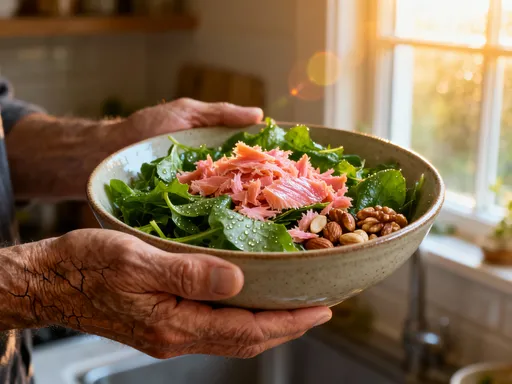
You don’t need a complicated diet plan to support healthy aging. What matters most is the overall pattern of eating—consistent choices that reduce inflammation, support gut health, and stabilize energy. The foundation of this approach is whole, minimally processed foods. These include vegetables, fruits, legumes, whole grains, nuts, seeds, and high-quality proteins like fish, poultry, and plant-based sources. These foods are rich in fiber, antioxidants, and essential nutrients that protect cells and support metabolic balance.
One of the most impactful changes is reducing added sugars and refined carbohydrates. These are found in sugary drinks, packaged snacks, white bread, and many breakfast cereals. They cause rapid spikes in blood sugar and insulin, contributing to weight gain, insulin resistance, and inflammation. Over time, this increases the risk of type 2 diabetes, heart disease, and cognitive decline. Replacing even one sugary drink a day with water or herbal tea can make a measurable difference. Similarly, choosing whole grains over refined ones—like brown rice instead of white, or oats instead of sugary cereal—helps maintain steady energy and supports gut bacteria that play a role in immunity and mood.
Healthy fats are another key component. Omega-3 fatty acids, found in fatty fish, flaxseeds, and walnuts, reduce inflammation and support brain health. Monounsaturated fats, like those in olive oil and avocados, improve cholesterol levels and protect blood vessels. These fats also help you feel full and satisfied, reducing the urge to snack on empty calories. Hydration is often overlooked but equally important. Water supports digestion, circulation, and temperature regulation. Many people mistake mild dehydration for hunger, leading to unnecessary snacking. Drinking enough fluids throughout the day—mostly water, with some herbal teas or infused water—keeps bodily systems running smoothly.
Mindful eating enhances these benefits. Slowing down, chewing thoroughly, and paying attention to hunger and fullness cues help prevent overeating and improve digestion. It also turns meals into moments of calm, reducing stress. You don’t have to eat perfectly every day. The goal is progress, not perfection. Aim for variety and balance—filling your plate with color, texture, and nutrients. Over time, these simple shifts become habits that protect your body from the inside out.
Move More, Stress Less: The Daily Duo
Physical activity is one of the most effective tools for slowing aging. It strengthens the heart, improves circulation, builds muscle, and supports brain health. But you don’t need to run marathons or spend hours in the gym. The key is consistency—finding ways to move your body regularly, in ways that fit your life. Even moderate activities like walking, gardening, or climbing stairs offer powerful benefits. Research shows that just 150 minutes of moderate exercise per week—about 30 minutes a day, five days a week—can reduce the risk of heart disease, stroke, and depression.
Muscle mass naturally declines with age, a process called sarcopenia. This loss affects strength, balance, and metabolism. Strength training—even with light weights, resistance bands, or bodyweight exercises—helps preserve muscle and bone density. Simple routines like squats, lunges, or wall push-ups, done two or three times a week, can make a significant difference. Flexibility and balance are also important. Practices like stretching, yoga, or tai chi reduce the risk of falls and improve mobility, helping maintain independence as you age.
At the same time, chronic stress accelerates aging. When stress becomes constant, the body remains in “fight or flight” mode, flooding the system with cortisol and adrenaline. Over time, this wears down the immune system, increases blood pressure, and damages brain cells. The good news is that stress can be managed with simple, daily practices. Deep breathing, even for just a few minutes, activates the parasympathetic nervous system—the “rest and digest” state—that counteracts stress. Taking a short walk in nature, sitting quietly with a cup of tea, or practicing gratitude can reset your nervous system and improve emotional balance.
Digital detox is another effective strategy. Constant notifications, screen time, and information overload keep the brain in a state of hyperarousal. Setting boundaries—like no screens during meals, or turning off devices an hour before bed—creates space for calm and connection. These small acts of self-care are not indulgences; they are essential maintenance for a healthy mind and body. When movement and stress management become daily habits, they work together to protect your health, energy, and mood for years to come.
Sleep: Your Nightly Repair Session
Sleep is not downtime—it’s one of the most active and essential processes for health. During deep sleep, your body performs critical maintenance: repairing damaged cells, strengthening the immune system, consolidating memories, and clearing out toxins from the brain. This nightly cleanup is vital for preventing neurodegenerative diseases like Alzheimer’s, where waste products like beta-amyloid accumulate when sleep is poor. Yet, millions of adults don’t get enough quality sleep, often sacrificing it for work, screen time, or household demands.
Poor sleep doesn’t just leave you tired—it directly impacts aging. Studies show that people who consistently sleep less than six hours per night have higher levels of inflammation, increased insulin resistance, and a greater risk of heart disease and obesity. Sleep also affects hormones that regulate hunger. When you’re sleep-deprived, levels of ghrelin (the hunger hormone) rise, while leptin (the fullness hormone) drops, leading to increased appetite and cravings for high-calorie foods. This creates a cycle that can lead to weight gain and metabolic issues over time.
Creating a sleep-friendly environment makes a big difference. Aim for a cool, dark, and quiet bedroom. Use blackout curtains, remove electronic devices, and consider a white noise machine if needed. A consistent bedtime routine signals to your body that it’s time to wind down. This might include reading a book, taking a warm bath, or practicing gentle stretches. Avoiding caffeine and heavy meals in the evening also supports better sleep. Most adults need seven to nine hours of sleep per night, and the quality matters as much as the quantity. Prioritizing sleep isn’t lazy—it’s one of the most powerful things you can do to protect your long-term health.
Putting It All Together—Your Realistic Anti-Aging Plan
Living a longer, healthier life doesn’t require extreme diets, expensive supplements, or drastic lifestyle overhauls. It’s about making small, sustainable changes that add up over time. The goal isn’t perfection—it’s consistency. Start by choosing one area to focus on, whether it’s drinking more water, taking a daily walk, or going to bed 30 minutes earlier. Master that habit before adding another. This gradual approach builds confidence and prevents burnout.
Think of your health as a garden. It doesn’t flourish overnight. It needs regular care—watering, weeding, and sunlight—applied consistently. Some days will be easier than others, and that’s okay. What matters is returning to your intentions, even after setbacks. Over time, these small efforts create a strong foundation for vitality. You’ll notice benefits not just in how you feel day to day—more energy, better mood, improved sleep—but in your long-term resilience against disease.
Remember, anti-aging isn’t about chasing youth or erasing every wrinkle. It’s about investing in your body’s ability to function well, stay strong, and enjoy life fully at every age. It’s about spending your later years not in doctor’s offices, but in gardens, kitchens, and family gatherings—active, engaged, and present. The science is clear: your daily choices shape your biological future. By eating well, moving regularly, managing stress, and sleeping deeply, you send powerful signals of care to every cell in your body. Aging is inevitable, but how you age is not. Start today—not because you fear getting older, but because you value the life you have and the years still ahead.