Why Your Lower Back Deserves More Love – A Real Talk on Staying Pain-Free
Lower back pain is one of the most common complaints worldwide, yet many of us ignore it until it becomes unbearable. I’ve been there—waking up stiff, struggling to bend, and feeling the ache every time I sat too long. Over time, I learned that protecting your lumbar spine isn’t just about fixing pain—it’s about preventing it. With simple, science-backed habits, you can build resilience and move freely. This is a practical, no-nonsense look at how to care for your lower back before problems start.
The Silent Struggle: Why Lumbar Pain Creeps Up on You
Back pain doesn’t usually arrive with a warning. For most people, it starts quietly—a stiffness in the morning, a twinge when lifting a grocery bag, or discomfort after a long drive. These moments are easy to dismiss, but they often signal deeper imbalances developing in the lumbar spine. The lower back, or lumbar region, bears the weight of the upper body and serves as the central support for nearly every movement. Comprised of five large vertebrae stacked on top of each other, this area is designed to be strong and flexible. Yet, its strength is only as good as the habits that support it.
Modern life, unfortunately, works against spinal health. Many spend hours each day seated—whether at a desk, in a car, or on a couch. This prolonged inactivity places continuous pressure on the lumbar discs, the soft cushions between the vertebrae that absorb shock. Without regular movement, these discs lose hydration and begin to degenerate over time. At the same time, sitting often encourages poor posture: slouching, forward head position, and a rounded lower back. These postural habits create uneven pressure on the spine, leading to strain on ligaments, muscles, and joints.
Consider the office worker who sits for eight hours a day, the parent who frequently bends to lift a child, or the driver who makes long commutes. Each of these roles places repetitive stress on the lower back. The body adapts to these demands, but not always in healthy ways. Muscles can tighten or weaken, and movement patterns become inefficient. Over months and years, these small compensations accumulate, increasing the risk of pain, injury, and chronic discomfort. The problem isn’t dramatic—it’s gradual. And that’s what makes it so easy to overlook until it’s too late.
Spot the Early Warnings: What Your Body Is Trying to Tell You
Your body communicates long before pain becomes severe. Subtle signals—like mild stiffness upon waking, a dull ache after standing too long, or a slight pull when twisting—are not just inconveniences. They are early warnings from your lumbar spine. Many people brush these off as signs of aging or fatigue, but in reality, they often point to muscle imbalances, joint strain, or disc irritation. Ignoring these cues can allow minor issues to evolve into more serious conditions, such as herniated discs, sciatica, or chronic lower back pain.
For instance, if you notice that your back feels better after walking or stretching, that’s a strong indication that movement is needed to relieve pressure and restore circulation. Conversely, if certain positions—like sitting or bending forward—consistently trigger discomfort, your spine may be signaling misalignment or overuse. These patterns are not normal wear and tear; they are preventable signs of stress.
One of the most misunderstood aspects of back pain is the belief that rest is always the solution. While short-term rest may ease acute flare-ups, long-term inactivity worsens the problem. Without movement, muscles weaken, joints stiffen, and discs lose their ability to absorb nutrients. This creates a cycle: pain leads to less movement, which leads to more vulnerability. Recognizing early symptoms and responding with gentle, consistent action—such as daily stretching or posture correction—can stop this cycle before it takes hold.
The key is awareness. Paying attention to how your back feels during routine activities helps you identify patterns and make adjustments. You don’t need to wait for a doctor’s diagnosis to start protecting your spine. Listening to your body and acting early is one of the most effective ways to maintain long-term mobility and comfort.
Move It or Lose It: How Daily Motion Protects Your Spine
Movement is medicine for the spine. Unlike most tissues in the body, spinal discs do not have a direct blood supply. Instead, they rely on a process called imbibition—essentially, they absorb nutrients from surrounding fluids through motion. When you move, the discs compress and decompress, acting like sponges that soak up nourishment. Without regular movement, this process slows down, leading to disc dehydration and reduced resilience. Over time, dehydrated discs become less effective at cushioning the spine, increasing the risk of injury and pain.
This is why prolonged sitting is one of the greatest threats to lumbar health. Sitting, especially in a slouched position, increases pressure on the lower discs by up to 40% compared to standing. Add several hours of inactivity, and the spine begins to stiffen. Joints lose lubrication, muscles tighten, and posture deteriorates. The solution isn’t to eliminate sitting—it’s to interrupt it with movement. Research shows that taking short breaks to stand, stretch, or walk every 30 to 60 minutes can significantly reduce spinal stress and improve circulation.
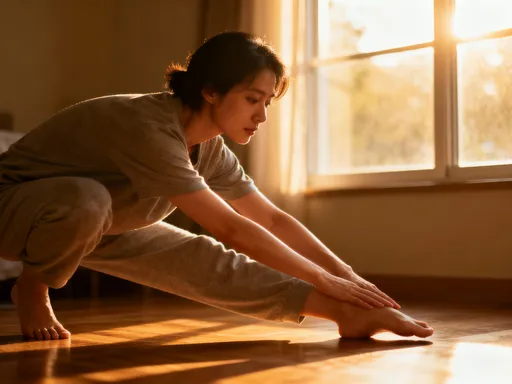
Simple habits can make a big difference. A five-minute walk around the office, a few standing stretches, or even shifting your posture while seated helps maintain spinal mobility. For those with busy schedules, integrating movement into daily routines is more effective than relying on a single workout. Try parking farther from the store, taking the stairs instead of the elevator, or doing gentle stretches while watching the evening news. These small actions add up, keeping the spine nourished and flexible.
Movement doesn’t have to be intense. In fact, for people with existing back sensitivity, gentle motion is often more beneficial than vigorous exercise. Activities like walking, swimming, or tai chi provide low-impact ways to support spinal health. The goal is consistency, not intensity. By making movement a natural part of your day, you give your spine the daily care it needs to stay strong and pain-free.
Strong Core, Strong Back: The Support System You Can’t Ignore
When it comes to back health, the core is everything. The term “core” refers not just to the abdominal muscles, but to a network of deep stabilizing muscles that include the transverse abdominis, multifidus, pelvic floor, and glutes. These muscles work together to support the spine, maintain posture, and control movement. When they are strong and coordinated, they reduce the load on the lumbar spine and prevent excessive strain.
However, many people have weak or underactive core muscles—especially the deep stabilizers. When these muscles don’t engage properly, the lower back muscles are forced to compensate. This overuse leads to fatigue, tightness, and eventually pain. For example, if your glutes are weak, your lower back may take over during movements like standing up or climbing stairs. Over time, this imbalance can lead to chronic discomfort and increased injury risk.
The good news is that core strength can be rebuilt at any age with simple, safe exercises. You don’t need heavy weights or advanced equipment. Exercises like pelvic tilts, bird-dogs, and dead bugs are highly effective because they activate the deep core muscles without putting stress on the spine. These movements teach your body to stabilize from within, improving control and reducing reliance on superficial muscles.
Start with just a few minutes a day. For pelvic tilts, lie on your back with knees bent and gently rock your pelvis to flatten your lower back against the floor, then release. This simple motion engages the transverse abdominis and helps retrain proper spinal alignment. Bird-dogs—lifting one arm and the opposite leg while on all fours—challenge balance and stability while protecting the spine. Perform two to three sets of 10 repetitions, focusing on slow, controlled movement.
Consistency matters more than intensity. Doing these exercises daily, even for just five minutes, builds neuromuscular connections that improve posture and movement efficiency. Over time, you’ll notice less strain during everyday tasks and greater confidence in your body’s stability. A strong core isn’t about appearance—it’s about creating a solid foundation for a healthy, resilient back.
Posture Myths and Truths: What Actually Matters for Spine Health
Posture is often oversimplified. Many people believe that sitting “up straight” with a rigid spine is the gold standard, but this isn’t entirely accurate. The spine is naturally curved, and forcing it into an unnatural position can create more strain than relief. The real key to spinal health isn’t perfection—it’s variation. The body thrives on movement, and holding any single posture for too long, even a “correct” one, leads to stiffness and fatigue.
Dynamic posture—shifting positions regularly and maintaining alignment during movement—is far more effective than static sitting. For example, when seated, aim for a neutral spine: ears aligned over shoulders, shoulders over hips, and hips slightly higher than knees. Use a chair with lumbar support or place a small cushion behind your lower back to maintain the natural curve. But don’t stay in that position for hours. Stand up, stretch, or walk every half hour to reset your posture and restore circulation.
Everyday activities also matter. How you lift objects, stand while cooking, or hold your phone influences spinal stress. When lifting, bend at the knees and hips, not the waist, and keep the object close to your body. When standing, shift your weight from one foot to the other and avoid locking your knees. Even how you sleep affects posture—side sleeping with a pillow between the knees helps keep the spine aligned.
Ergonomics play a crucial role, especially for those who work at a desk. Position your computer screen at eye level to prevent forward head posture. Keep your wrists straight while typing, and use a headset if you talk on the phone frequently. These small adjustments reduce cumulative strain on the spine and surrounding muscles. The goal isn’t to achieve perfect posture at all times, but to minimize prolonged stress through mindful movement and smart setup.
Lifestyle Levers: Sleep, Weight, and Habits That Influence Spine Health
Your spine doesn’t operate in isolation. It’s affected by broader lifestyle factors, including sleep quality, body weight, and hydration. Each of these plays a measurable role in spinal health and can either support or undermine your efforts to stay pain-free.
Sleep is a critical recovery period for the spine. During rest, spinal discs rehydrate and muscles repair. However, poor sleep posture or an unsupportive mattress can disrupt this process. A mattress that’s too soft allows the spine to sag, while one that’s too firm creates pressure points. The ideal mattress supports the natural curve of the spine without forcing it into an unnatural position. For side sleepers, placing a pillow between the knees helps align the hips and reduces strain on the lower back. Back sleepers may benefit from a small pillow under the knees to maintain lumbar support.
Body weight also impacts spinal load. Excess abdominal weight shifts the center of gravity forward, forcing the lower back to work harder to keep the body upright. This increases pressure on the lumbar discs and supporting muscles, raising the risk of pain and degeneration. Even modest weight loss can significantly reduce this strain. A balanced diet rich in anti-inflammatory foods—like fruits, vegetables, whole grains, and healthy fats—supports both weight management and joint health.
Hydration is another often-overlooked factor. Spinal discs are made mostly of water, and they depend on proper hydration to maintain elasticity and shock-absorbing capacity. When dehydrated, discs become less pliable and more prone to injury. Drinking enough water throughout the day—typically six to eight glasses, depending on activity level and climate—helps keep discs healthy and functional.
Other habits, like smoking and chronic stress, also affect the spine. Smoking reduces blood flow to spinal tissues, slowing healing and accelerating disc degeneration. Stress contributes to muscle tension, particularly in the neck and lower back, which can worsen pain. Managing stress through relaxation techniques, such as deep breathing or gentle yoga, supports both mental and physical well-being.
Prevention Over Cure: Building a Long-Term Spine Care Routine
The best time to care for your lower back is before pain begins. Once discomfort sets in, the focus shifts from prevention to management—and recovery can be slow. But by adopting a proactive approach, you can maintain mobility, reduce risk, and enjoy greater freedom in daily life. The foundation of long-term spine health lies in consistency, not intensity. Small, sustainable habits are more effective than occasional extreme efforts.
Start by building awareness. Tune in to how your back feels during different activities. Notice when stiffness or discomfort arises and consider what might be causing it. Is your chair too low? Are you sitting too long? Are you lifting incorrectly? Awareness is the first step toward change.
Next, integrate movement into your day. Take short walks, stretch regularly, and avoid prolonged sitting. Combine this with core-strengthening exercises that support spinal stability. Even five minutes of daily practice can yield noticeable improvements over time. Pair these physical habits with lifestyle adjustments—improve your sleep setup, stay hydrated, manage your weight, and reduce stress.
Think of spine care as a daily commitment, much like brushing your teeth. You wouldn’t wait for a toothache to start flossing, so don’t wait for back pain to begin moving and strengthening. The choices you make today—how you sit, stand, lift, and rest—shape the health of your spine for years to come. By treating your lower back with the care it deserves, you invest in a future of comfort, strength, and freedom. Pain-free movement isn’t a luxury—it’s a possibility within reach, one mindful choice at a time.