Glow Up from the Inside: How What You Eat Shapes Your Skin
You’ve probably noticed how your skin reacts when you’re stressed or not sleeping well—but what if the real game-changer isn’t your face cream, but your lunch plate? More than just a beauty trend, clear, radiant skin starts with what you eat every day. I’ve tested this through trial and error, and the results were real. Turns out, your diet doesn’t just fuel your body—it rebuilds your skin from within. Unlike temporary fixes like serums or peels, nutrition works at a deeper level, supporting cell turnover, reducing inflammation, and strengthening the skin’s natural barrier. This isn’t about perfection; it’s about making consistent, informed choices that add up to visible change over time.
The Skin-Diet Connection: Why Food Matters More Than You Think
Skin is the body’s largest organ, and like any organ, it depends on proper nourishment to function well. It renews itself approximately every 28 days, a process that requires a steady supply of vitamins, minerals, and healthy fats. When the body lacks these essential nutrients, the skin often shows the first signs—dryness, dullness, breakouts, or premature fine lines. What many people overlook is that topical skincare only addresses the surface. True transformation begins beneath, where food influences biological processes like inflammation, oxidative stress, and hormone regulation.
Inflammation, in particular, plays a major role in skin health. Chronic, low-grade inflammation triggered by poor dietary choices can manifest as redness, acne, or rosacea. Diets high in refined sugars and processed fats increase inflammatory markers in the body, which can weaken the skin’s structural proteins—collagen and elastin—leading to sagging and wrinkles over time. On the other hand, anti-inflammatory foods such as leafy greens, berries, and fatty fish help calm the body’s internal environment, creating conditions where the skin can thrive.
Oxidative stress is another hidden factor. Free radicals—unstable molecules produced by environmental exposure and metabolic processes—damage skin cells if not neutralized by antioxidants. Without enough antioxidant-rich foods in the diet, this damage accumulates, accelerating aging. Hormonal balance, too, is influenced by food. Insulin spikes from high-sugar meals can increase oil production in the skin, contributing to clogged pores and breakouts. Dairy, for some individuals, may also trigger hormonal fluctuations that lead to acne. These internal dynamics show why focusing solely on external treatments often delivers limited results. A more effective strategy is to support the skin from the inside out, using food as medicine.
Core Dietary Principles for Healthy Skin: Building Your Foundation
Before diving into specific nutrients, it’s important to establish a strong dietary foundation. Just as a house needs a solid base, so does a skincare routine built on food. The first principle is choosing whole, minimally processed foods. These include vegetables, fruits, whole grains, lean proteins, nuts, and seeds. These foods retain their natural fiber, vitamins, and phytonutrients, which work together to support overall health and, by extension, skin vitality. In contrast, processed foods often contain hidden sugars, unhealthy fats, and additives that can disrupt metabolic balance and trigger skin issues.
Macronutrient balance is another cornerstone. Proteins are essential for building and repairing skin tissue, including collagen. Healthy fats, especially omega-3s, maintain the skin’s lipid barrier, preventing moisture loss and protecting against environmental damage. Carbohydrates should come primarily from complex sources like oats, sweet potatoes, quinoa, and legumes, which release energy slowly and prevent blood sugar spikes. A balanced plate might include grilled salmon, a serving of brown rice, and a large portion of steamed broccoli—providing protein, fiber, and skin-supportive nutrients in one meal.
Hydration is equally critical. Water makes up a significant portion of skin tissue, and even mild dehydration can make the skin appear dry, tight, and less elastic. While beverages like coffee and tea count toward fluid intake, they can also have diuretic effects, so it’s best to prioritize plain water. Adding slices of lemon, cucumber, or mint can make it more appealing without added sugars. A general guideline is to aim for about 8 cups (64 ounces) daily, though individual needs vary based on activity level, climate, and body size.
Reducing intake of processed sugars and refined carbohydrates is one of the most impactful changes for skin health. These foods cause rapid increases in blood glucose, prompting the body to release insulin. Over time, high insulin levels can lead to increased sebum production and inflammation—both linked to acne. Swapping white bread for whole grain, soda for sparkling water with fruit, and candy for fresh fruit can make a noticeable difference. These aren’t about deprivation, but about upgrading choices to ones that support long-term clarity and radiance.
Key Nutrients That Transform Skin—and Where to Find Them
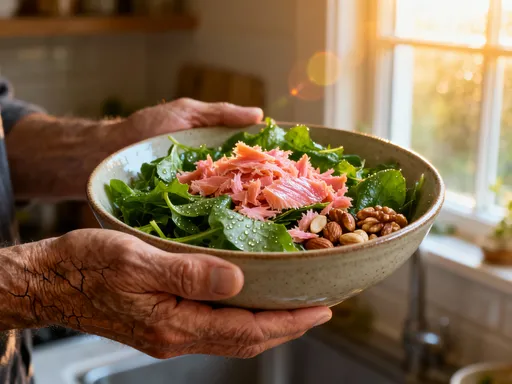
Certain nutrients stand out for their direct impact on skin appearance and resilience. Among the most important are omega-3 fatty acids, known for their powerful anti-inflammatory properties. These fats help maintain the skin’s moisture barrier, reduce redness, and may even protect against sun damage when consumed regularly. The best dietary sources are fatty fish like salmon, mackerel, and sardines. For those who don’t eat fish, flaxseeds, chia seeds, and walnuts offer plant-based omega-3s, though in a form the body must convert.
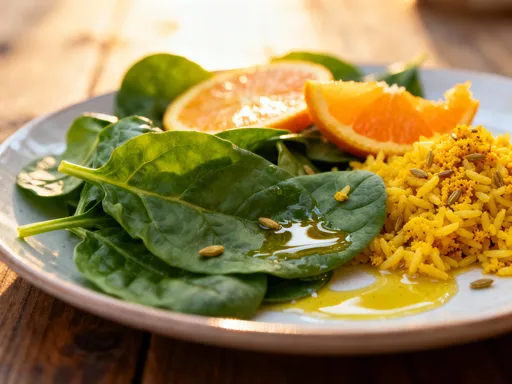
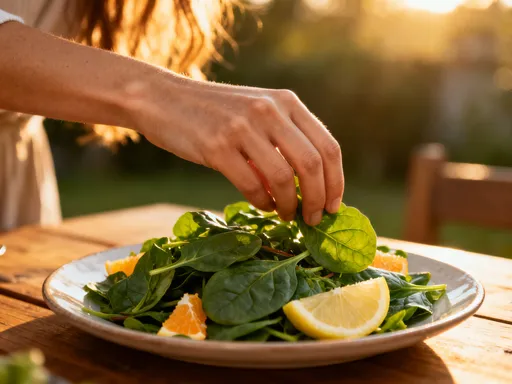
Antioxidants are another group of skin-saving compounds. Vitamin C is crucial for collagen synthesis and helps protect against oxidative stress. It’s found abundantly in citrus fruits, bell peppers, strawberries, and broccoli. Vitamin E works synergistically with vitamin C, enhancing its effectiveness and protecting cell membranes. Nuts, seeds, and spinach are excellent sources. Together, these vitamins form a protective network that helps the skin resist daily damage from pollution and UV exposure.
Zinc is a mineral that often goes unnoticed but plays a vital role in skin repair and immune function. It helps regulate oil production and has been shown in studies to reduce acne severity. Oysters are the richest source, but more accessible options include pumpkin seeds, lentils, and chickpeas. Because zinc absorption can be affected by other dietary components, consuming it as part of a balanced meal is ideal.
Collagen-supporting nutrients include not only vitamin C but also amino acids like glycine and proline, found in protein-rich foods. While collagen supplements have gained popularity, the body can produce its own collagen when given the right building blocks through diet. Bone broth, chicken, fish, and egg whites are natural sources. Additionally, copper—found in foods like cashews, lentils, and sunflower seeds—helps activate enzymes involved in collagen formation. Rather than relying on isolated supplements, a varied, nutrient-dense diet provides a steady supply of these compounds, supporting the skin’s natural renewal process.
Foods That Sabotage Your Glow—And What to Swap Instead
Just as some foods enhance skin health, others can undermine it. High-glycemic foods—those that cause rapid spikes in blood sugar—are among the most common culprits behind breakouts and dullness. White bread, pastries, sugary cereals, and even some instant oatmeal fall into this category. Research has shown a clear link between high-glycemic diets and increased acne, likely due to their effect on insulin and inflammation. The good news is that making simple swaps can reduce this impact without feeling restricted.
For example, choosing whole grain bread over white bread, or steel-cut oats instead of instant, slows down sugar absorption and keeps insulin levels more stable. Replacing candy or cookies with fresh fruit like berries or an apple with almond butter offers sweetness along with fiber and nutrients. These alternatives satisfy cravings while supporting skin clarity. Similarly, swapping soda or sweetened iced tea for herbal tea or fruit-infused water reduces sugar intake significantly over time.
Dairy is another area where individual responses vary. While milk and cheese provide calcium and protein, some studies suggest that skim milk, in particular, may be associated with acne in certain people. This could be due to hormones present in milk or its effect on insulin-like growth factor (IGF-1). If breakouts persist despite other healthy habits, trying a short elimination period—removing dairy for 4 to 6 weeks—can help determine if it’s a trigger. Many find that switching to unsweetened almond milk, oat milk, or Greek yogurt (which is lower in lactose) makes a difference in skin texture and clarity.
Trans fats, often found in fried foods, margarine, and packaged snacks, are another concern. These fats increase inflammation and may impair the skin’s ability to retain moisture. Replacing margarine with avocado or olive oil not only removes harmful fats but adds heart-healthy monounsaturated fats that benefit the skin. Reading labels to avoid “partially hydrogenated oils” is a simple but effective step. The goal isn’t perfection, but awareness—recognizing which foods may be working against your glow and making manageable changes over time.
Meal Timing and Gut Health: The Hidden Factors in Skin Wellness
Beyond what you eat, how and when you eat also influences skin health. Emerging research highlights the gut-skin axis—a bidirectional relationship between digestive health and skin condition. A balanced gut microbiome helps regulate immunity and reduce systemic inflammation, both of which affect the skin. When the gut barrier is compromised—sometimes referred to as “leaky gut”—undigested particles and toxins may enter the bloodstream, triggering immune responses that manifest as acne, eczema, or rosacea.
Diet plays a central role in maintaining gut integrity. Fiber-rich plant foods—such as vegetables, fruits, legumes, and whole grains—feed beneficial gut bacteria, promoting a diverse and resilient microbiome. Fermented foods like sauerkraut, kimchi, kefir, and plain yogurt (if tolerated) introduce live probiotics that further support gut balance. Including a source of fiber and, when possible, a fermented food at each meal can make a meaningful difference over time.
Meal timing also matters. Eating at irregular hours or consuming large meals late at night can disrupt digestion and sleep quality, both of which affect skin repair. The body’s natural repair processes, including skin cell regeneration, are most active during sleep. Late-night eating may interfere with this cycle, especially if it involves heavy or spicy foods that cause discomfort. Aim to finish dinner at least 2–3 hours before bedtime, allowing for proper digestion. Smaller, more frequent meals throughout the day may also help stabilize blood sugar and reduce cravings, particularly for those prone to mid-afternoon energy dips.
Stress and eating speed are additional factors. Eating quickly or under stress activates the sympathetic nervous system, which can impair digestion and nutrient absorption. Taking time to chew food thoroughly and eat in a calm environment supports optimal gut function. Simple practices like pausing before meals, eating without distractions, and savoring each bite can enhance digestion and, by extension, skin health. These habits may seem small, but they contribute to a holistic approach that goes beyond just food choices.
Real-Life Changes: What Shifted in My Skin (and Might in Yours)
After years of experimenting with skincare products and treatments, I decided to shift my focus to diet. I wasn’t looking for a miracle, but I was curious to see if what I ate could make a real difference. I started by eliminating soda and reducing my intake of white bread and sweets. I added more vegetables to every meal, included fatty fish twice a week, and made sure to drink enough water. I didn’t follow a strict regimen, but I aimed for consistency rather than perfection.
Within about three weeks, I noticed subtle changes. My morning puffiness was less pronounced, and my skin felt smoother to the touch. By week six, the frequent breakouts along my jawline—something I’d dealt with for years—had significantly decreased. My complexion appeared more even, and I received compliments about looking “well-rested,” even on days when I hadn’t slept particularly well. These weren’t dramatic transformations, but they were real and lasting.
One of the most surprising changes was how my skin responded to stress. In the past, a busy week at work almost guaranteed a flare-up. But after sticking with these dietary habits, I found that my skin remained more resilient, even during hectic periods. I didn’t stop using moisturizer or sunscreen, but I realized these products worked better when my skin was nourished from within. I also became more attuned to how certain foods made me feel. After eating a large slice of cake, I’d notice slight redness the next day. This kind of self-awareness helped me make more thoughtful choices without feeling deprived.
The journey wasn’t flawless. There were weekends when I enjoyed pizza or dessert, and that was okay. The key was consistency over time, not rigid adherence. What mattered most was the overall pattern—the daily choices that added up to a healthier internal environment. This experience taught me that skin health isn’t about quick fixes, but about building sustainable habits that support the body’s natural ability to heal and renew.
Building a Sustainable, Skin-Friendly Eating Pattern—Without Obsession
The goal of skin-supportive eating isn’t to follow a restrictive diet or chase perfection. It’s about creating a flexible, enjoyable way of nourishing your body that you can maintain for years. Extreme diets often lead to burnout, nutrient gaps, and even stress—counterproductive for both skin and overall well-being. Instead, focus on gradual improvements, such as adding one extra serving of vegetables each day or choosing water over soda at lunch.
Mindfulness plays a key role. Paying attention to how food looks, tastes, and makes you feel can deepen your connection to your body’s needs. It’s not about labeling foods as “good” or “bad,” but about understanding their effects. For example, a piece of dark chocolate may satisfy a sweet craving while providing antioxidants, whereas a sugary snack might lead to a crash and breakouts. These observations help guide choices without judgment.
Balance is essential. No single food will transform your skin overnight, just as no single food will ruin it in one sitting. It’s the cumulative effect of daily habits that matters. Aim to fill most meals with whole, colorful foods while allowing room for occasional treats. This approach fosters a healthy relationship with food and prevents the cycle of restriction and overindulgence that can disrupt both digestion and skin health.
Finally, remember that skin health is a reflection of overall wellness. When you eat to support your skin, you’re also supporting your heart, brain, energy levels, and mood. Nutrition is not a cosmetic tool, but a form of self-care—a daily commitment to feeling strong, vibrant, and confident from the inside out. By making food choices that honor your body’s needs, you’re not just chasing a glow. You’re building a foundation for lifelong health, one meal at a time.