What Your Plate Does to Your Hair: A Science-Backed Diet Combo That Helps
Hair loss affects millions, yet few realize how deeply nutrition impacts scalp health. I discovered this the hard way—through thinning I couldn’t ignore. Science shows certain food combinations support stronger, healthier hair by delivering essential nutrients like protein, iron, and zinc. This isn’t about miracle cures, but consistent, smart eating. Let’s explore how real dietary changes, backed by research, can make a visible difference in preventing hair loss—naturally and sustainably.
The Hidden Link Between Diet and Hair Loss
Hair is not just a cosmetic feature; it is a living tissue that reflects the body’s internal environment. Each strand grows in cycles—growth (anagen), transition (catagen), and rest (telogen)—and these phases depend heavily on a steady supply of nutrients. When the body lacks essential vitamins and minerals, it prioritizes vital organs over hair follicles, often leading to premature shedding or stalled growth. This biological triage explains why nutritional deficiencies are frequently linked to diffuse hair thinning, particularly in women during periods of stress, postpartum recovery, or restrictive dieting.
Among the most well-documented deficiencies tied to hair loss are iron, vitamin D, and protein. Iron deficiency, especially low ferritin levels, is a common culprit behind unexplained hair shedding. Ferritin is the stored form of iron, and research indicates that levels below 50 ng/mL are often associated with telogen effluvium, a condition where excessive numbers of hairs enter the resting phase. Vitamin D, once thought relevant only for bone health, is now recognized for its role in hair follicle cycling. Receptors for vitamin D are present in hair follicles, and studies suggest that insufficient levels may impair the initiation of new growth phases. Protein, the building block of keratin—the primary structural protein in hair—is equally critical. Diets severely low in protein can cause hair to become brittle, thin, and prone to breakage within weeks.
While genetics and hormonal changes, such as those in androgenetic alopecia, play significant roles in hair loss, diet remains one of the few factors individuals can actively control. Unlike inherited patterns, nutritional gaps can be identified and corrected. This makes dietary intervention a powerful, accessible tool in hair health management. For many women, especially those in midlife managing multiple health priorities, recognizing the connection between what they eat and how their hair responds can be both surprising and empowering. It shifts the narrative from helplessness to agency, offering a path forward grounded in daily choices rather than expensive treatments or unproven remedies.
Why Single Superfoods Aren’t Enough
The wellness industry often promotes single “superfoods” as silver bullets for hair growth—think kale, salmon, or biotin-rich eggs. While these foods do offer valuable nutrients, the idea that eating more of one item will reverse hair loss is misleading. The human body does not absorb and utilize nutrients in isolation. Instead, it relies on complex interactions where the presence of one nutrient can enhance or inhibit the uptake of another. This principle, known as nutrient synergy, is central to understanding how diet truly supports hair health.
Consider iron absorption. Plant-based sources of iron (non-heme iron), such as spinach, lentils, and tofu, are less readily absorbed than the heme iron found in meat. However, when consumed with vitamin C-rich foods like bell peppers, citrus fruits, or tomatoes, absorption can increase significantly—by as much as two to three times, according to studies published in The American Journal of Clinical Nutrition. This means that pairing a spinach salad with lemon vinaigrette isn’t just tasty—it’s scientifically strategic. Without that vitamin C boost, much of the iron may pass through the digestive tract unused.
Similarly, fat-soluble vitamins like vitamin D, E, and A require dietary fats for proper absorption. Eating a tomato salad with olive oil isn’t merely a Mediterranean tradition—it’s a biological necessity for unlocking the benefits of lycopene and vitamin E. Likewise, pairing avocado with a vitamin D supplement or fatty fish enhances the body’s ability to use that vitamin, which, as noted earlier, plays a direct role in hair follicle function. These examples illustrate that food combinations matter more than any single ingredient. Relying on isolated superfoods without considering their context in a meal can lead to frustration when expected results don’t appear, even with seemingly “healthy” eating.
Key Nutrients That Fuel Healthy Hair
For hair to grow strong and resilient, it requires a symphony of nutrients, each playing a distinct role in the biological process. Protein stands at the foundation, as hair is approximately 90% keratin, a type of structural protein. Without adequate dietary protein, the body cannot produce enough keratin, leading to weakened strands and reduced growth rate. The recommended daily intake of protein varies by age, weight, and activity level, but most adult women need about 46–50 grams per day, with some experts suggesting slightly higher intake for those experiencing hair thinning.
Biotin, also known as vitamin B7, is frequently marketed as a hair growth supplement, and while deficiency is rare, it plays a legitimate role in maintaining healthy hair. Biotin assists in the production of keratin and supports the infrastructure of hair follicles. Deficiency can lead to brittle hair and even hair loss, though most people obtain sufficient biotin from a balanced diet. Rich sources include eggs, nuts, seeds, and whole grains. It’s worth noting that excessive biotin supplementation can interfere with certain lab tests, including those for thyroid and cardiac markers, so obtaining it from food is generally safer and more effective.
Omega-3 fatty acids, primarily found in fatty fish, flaxseeds, chia seeds, and walnuts, contribute to scalp health by reducing inflammation and supporting the oil glands around hair follicles. These healthy fats help keep the scalp hydrated and may reduce dryness and flakiness, common contributors to hair breakage. Zinc and selenium are trace minerals with antioxidant properties that protect hair follicles from oxidative stress. Zinc is involved in hair tissue growth and repair, and deficiency has been linked to telogen effluvium. Selenium supports thyroid function, and since thyroid imbalances are a common cause of hair loss, maintaining adequate selenium levels is indirectly supportive of hair health. Together, these nutrients form a comprehensive network that sustains the hair growth cycle from root to tip.
Power Food Pairings Backed by Science
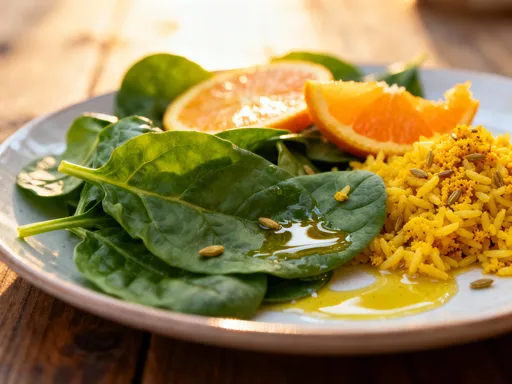
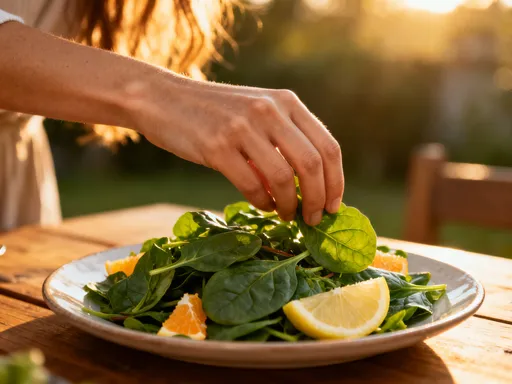
The real power of nutrition lies not in individual foods but in how they are combined. Scientific research supports several strategic pairings that enhance nutrient bioavailability and optimize hair-supportive benefits. One of the most effective combinations is spinach and lemon. Spinach is rich in non-heme iron, folate, and vitamin A, all important for hair health. When dressed with fresh lemon juice, the vitamin C in the citrus dramatically improves iron absorption. This simple tweak transforms a nutritious salad into a targeted intervention for preventing iron-deficiency-related hair loss.
Another potent pairing is eggs and bell peppers. Eggs provide high-quality protein, biotin, and selenium, while red and yellow bell peppers are loaded with vitamin C. Eating them together—such as in a vegetable omelet—ensures that the body can efficiently use the nutrients from both. The fat in the egg yolk also aids in the absorption of fat-soluble vitamins present in the peppers, creating a multi-layered nutritional boost. This combination is especially valuable for vegetarians and those reducing meat intake, as it supports iron and vitamin absorption without relying on animal sources.
Fatty fish like salmon, when served with a side of roasted sweet potatoes, offers another science-backed duo. Salmon delivers omega-3 fatty acids and vitamin D, both of which support scalp health and reduce inflammation. Sweet potatoes are high in beta-carotene, which the body converts into vitamin A—an essential nutrient for sebum production, the natural oil that conditions the scalp. However, vitamin A must be balanced, as excess can contribute to hair loss. The natural regulation of beta-carotene conversion helps prevent toxicity, making whole food sources safer than high-dose supplements.
Nuts and seeds, particularly pumpkin seeds and sunflower seeds, are excellent sources of zinc and selenium. When paired with yogurt or kefir, which contain probiotics, they support gut health—an often-overlooked factor in nutrient absorption. A healthy gut microbiome improves the body’s ability to extract and utilize vitamins and minerals from food, indirectly enhancing hair nutrition. Finally, lentils and tomatoes make a powerful plant-based pair. Lentils provide iron and protein, while tomatoes supply vitamin C, creating a synergistic effect that boosts iron uptake. This combination is ideal for vegetarian and vegan diets, offering a sustainable way to support hair health without animal products.
A Day in the Life: Realistic Meal Planning
Knowing which nutrients and combinations support hair health is valuable, but integrating them into daily life requires practical planning. A realistic, balanced approach ensures sustainability and avoids the pitfalls of restrictive or overly complicated diets. Consider a sample day of meals designed to maximize nutrient synergy while remaining accessible and enjoyable.
Breakfast might include a vegetable omelet made with eggs, spinach, and red bell peppers, cooked in olive oil. This meal delivers protein, biotin, iron, vitamin C, and healthy fats—all in one dish. A side of whole grain toast provides B vitamins that support energy metabolism and hair growth. For a plant-based alternative, a smoothie made with spinach, banana, chia seeds, almond butter, and orange juice offers iron, omega-3s, vitamin C, and healthy fats, with the citrus enhancing iron absorption.
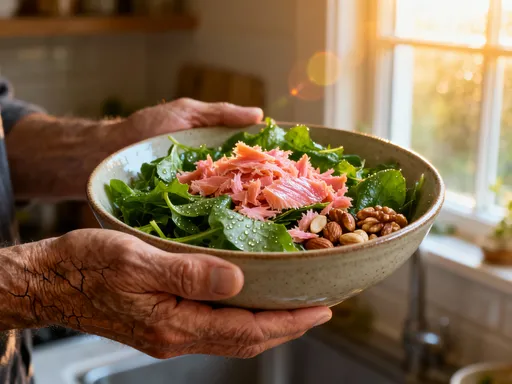
Lunch could be a lentil and roasted vegetable bowl with tomatoes, sweet potatoes, and a lemon-tahini dressing. This combination provides iron, protein, beta-carotene, vitamin C, and healthy fats. The lemon in the dressing ensures optimal iron absorption from the lentils, while the tahini (made from sesame seeds) adds zinc and calcium. For those who eat fish, a grilled salmon salad with mixed greens, avocado, and a vinaigrette made with olive oil and lemon juice offers omega-3s, vitamin D, vitamin E, and enhanced absorption of fat-soluble nutrients.
Dinner might feature baked chicken or tofu with quinoa and steamed broccoli, drizzled with a sesame-ginger sauce. Chicken provides high-quality protein and zinc, while broccoli contributes vitamin C and folate. The sesame seeds in the sauce add additional zinc and healthy fats. A snack of Greek yogurt with pumpkin seeds and a few berries combines probiotics, selenium, zinc, and antioxidants. This daily pattern emphasizes variety, balance, and intentional pairings without requiring specialty ingredients or excessive preparation time. The goal is not perfection but consistency—small, repeated choices that collectively support long-term hair health.
When Diet Isn’t the Whole Story
While nutrition plays a critical role in hair health, it is not a standalone solution for all types of hair loss. Other factors, including chronic stress, hormonal imbalances, autoimmune conditions like alopecia areata, and certain medications, can also contribute to thinning and shedding. Stress, in particular, can trigger telogen effluvium by pushing large numbers of hair follicles into the resting phase prematurely. This type of hair loss often appears three to six months after a stressful event, such as surgery, illness, or major life changes.
Thyroid disorders, both hypothyroidism and hyperthyroidism, are well-documented causes of hair thinning. Since the thyroid regulates metabolism and cellular function, imbalances can disrupt the hair growth cycle. Similarly, polycystic ovary syndrome (PCOS) can lead to hormonal fluctuations that affect hair density, often causing thinning at the crown while increasing facial hair growth—a distressing combination for many women. In these cases, dietary improvements alone are insufficient without medical diagnosis and treatment.
For individuals experiencing persistent or sudden hair loss, consulting a healthcare provider is essential. Blood tests can identify underlying issues such as iron deficiency, thyroid dysfunction, or vitamin D insufficiency. A dermatologist can evaluate scalp health and determine whether the cause is related to inflammation, scarring, or other dermatological conditions. While a nutrient-rich diet supports overall health and can enhance treatment outcomes, it does not replace professional medical evaluation. Recognizing the limits of dietary intervention allows for a more comprehensive and effective approach—one that combines nutrition with appropriate medical care.
Building a Sustainable Hair-Healthy Lifestyle
Hair health is not a quick fix but a reflection of long-term habits and overall well-being. The most effective approach is not drastic change but gradual, mindful adjustments that become part of daily life. Instead of focusing solely on appearance, it helps to view hair as a barometer of internal health. When hair grows stronger, it often means the body is receiving better nourishment, managing stress more effectively, and functioning more optimally overall.
Sustainable change begins with small, intentional choices: adding a squeeze of lemon to a spinach salad, choosing whole grains over refined ones, including a source of healthy fat with every meal, and prioritizing protein at breakfast. These habits, repeated over time, create a cumulative effect that supports not only hair but energy levels, skin health, and immune function. It’s also important to avoid the trap of perfectionism. Missing a meal or eating convenience food occasionally does not undo progress. What matters is the overall pattern of eating and self-care.
Equally important is cultivating a positive relationship with food and body image. For many women, hair loss can be emotionally challenging, tied to feelings of aging, loss of control, or diminished self-worth. Framing dietary changes as an act of self-respect rather than punishment can shift the mindset from restriction to nurturing. Cooking a nourishing meal becomes a form of self-care, and choosing whole foods becomes an expression of love for one’s body.
In the end, the journey to healthier hair is not about chasing an ideal but honoring the body’s needs with compassion and consistency. The plate becomes a canvas for healing, one meal at a time. Science confirms that what we eat matters—not just for our hair, but for our vitality, resilience, and quality of life. By aligning daily choices with biological wisdom, women can build a foundation for stronger hair and a healthier, more empowered self.