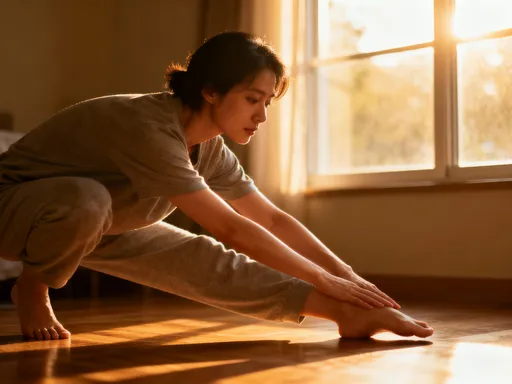
How I Bounced Back After Baby: Simple Moves That Actually Worked
After having my baby, I felt lost in my own body—weak, tired, and unsure where to start. I wanted to regain strength without rushing it. What I discovered wasn’t flashy, but it helped me heal step by step. This is what worked for me: gentle, safe movements that fit into real life. No pressure, just progress. Many new mothers experience a profound shift after childbirth—not only in their daily routines but in how their bodies feel and respond. The journey back to strength doesn’t begin with intense workouts or strict timelines. It begins with understanding, patience, and small, intentional actions that support long-term recovery. This article explores the science-backed, practical steps that helped me—and can help you—rebuild from the inside out.
The Real Struggle: Why Postpartum Recovery Feels So Hard
Bringing a new life into the world is one of the most transformative experiences a woman can go through, but it comes with physical changes that are often underestimated. After childbirth, the body is not simply returning to its previous state—it is healing from a major physiological event. Hormonal fluctuations, muscle separation, weakened connective tissue, and fatigue are common, yet rarely discussed in depth. Many new mothers expect to “bounce back” quickly, influenced by social media images of rapid recoveries, but the reality is far more complex. The truth is, postpartum recovery is not a race. It is a deeply personal process that requires time, care, and a compassionate approach.
One of the most common physical challenges is diastasis recti, a condition where the abdominal muscles separate during pregnancy to accommodate the growing uterus. This separation can persist after delivery and may contribute to lower back pain, poor posture, and a feeling of core instability. Another widespread issue is pelvic floor dysfunction, which can lead to incontinence, discomfort, or a sensation of heaviness in the pelvic region. These conditions are not signs of weakness—they are natural responses to the demands of pregnancy and birth. Yet, without proper attention, they can become long-term concerns that affect daily life.
Emotionally, the postpartum period can be equally overwhelming. Sleep deprivation, hormonal shifts, and the sudden responsibility of caring for a newborn often lead to feelings of anxiety, low mood, or diminished self-confidence. Many women report feeling disconnected from their bodies, as though they no longer recognize themselves in the mirror. This emotional toll can make the idea of exercise feel daunting, even counterintuitive. The pressure to “get back to normal” can exacerbate these feelings, creating a cycle of frustration and guilt. Recognizing these emotional layers is essential to creating a recovery plan that honors both physical and mental well-being.
Attempting to return to pre-pregnancy fitness routines too soon can do more harm than good. High-impact exercises, heavy lifting, or intense core work before the body is ready may worsen diastasis recti or strain healing tissues. The body needs time to reestablish neuromuscular connections—the communication between the brain and muscles—that may have been disrupted during pregnancy. Rushing this process can delay recovery and increase the risk of injury. Instead, a gradual, mindful approach that prioritizes healing over performance sets a stronger foundation for long-term strength and resilience.
When to Start: Listening to Your Body (Not the Clock)
There is no universal timeline for beginning postpartum exercise. While some healthcare providers offer general guidance—such as waiting six weeks after a vaginal delivery—every woman’s recovery is unique. The key is not to follow a calendar but to tune into your body’s signals. Medical clearance from a doctor or midwife is an important first step, but even with approval, it’s essential to proceed with caution and awareness. Healing is not linear, and symptoms can fluctuate from day to day, especially in the early weeks.
Signs that your body may not be ready for physical activity include persistent pain, especially in the pelvic or abdominal area, unusual bleeding or spotting after the initial postpartum period, or a feeling of heaviness or pressure in the pelvis. These are not normal parts of recovery and should be taken seriously. Pain is not something to push through—it is a message from your body that something needs attention. Similarly, if you notice a coning or doming in your abdomen when performing certain movements, this could indicate that your core is under too much strain and needs more time to heal.
Patience is not passive—it is an active form of self-care. Allowing your body the time it needs to recover supports stronger, more sustainable progress in the long run. For many women, the first few weeks are best spent focusing on rest, nourishment, and gentle movement like breathing exercises and short walks. These small actions lay the groundwork for more structured activity later. The goal is not to rush into fitness but to rebuild trust with your body, one day at a time.
It’s also important to recognize that recovery looks different depending on the type of delivery. Women who have had a cesarean section face additional healing challenges, including a surgical incision and deeper tissue trauma. While walking is often encouraged soon after surgery to prevent blood clots and support circulation, more intense movement should be introduced slowly and with medical guidance. Regardless of delivery method, the principles remain the same: listen, honor, and respond to your body’s needs.
First Steps: Breathing, Bracing, and the Power of Stillness
The foundation of postpartum movement begins not with exercise in the traditional sense, but with breath. Diaphragmatic breathing—deep, controlled breathing that engages the diaphragm—is one of the most powerful tools for recovery. This type of breathing helps reestablish the connection between the deep core muscles and the nervous system. It also promotes relaxation, reduces stress hormones, and supports proper alignment of the spine and pelvis.
To practice diaphragmatic breathing, lie on your back with your knees bent or sit comfortably in a chair. Place one hand on your chest and the other on your lower abdomen. Inhale slowly through your nose, allowing your belly to rise as your diaphragm descends. The hand on your chest should remain still—this ensures you’re not using shallow chest breathing. Exhale slowly through your mouth, gently drawing your navel toward your spine without holding your breath. This subtle engagement is not about sucking in your stomach but about gently activating the transverse abdominis, the deepest layer of abdominal muscle that acts like a natural corset.
This simple practice can be done multiple times a day, even while feeding your baby or resting. Over time, it helps retrain the core to function as a coordinated unit rather than relying on superficial muscles that can contribute to strain. It also supports pelvic floor function, as the diaphragm and pelvic floor move in sync during breathing. When you inhale, the pelvic floor naturally lowers; when you exhale, it gently lifts. Reconnecting with this rhythm is essential for restoring balance and strength.
Stillness is often undervalued in fitness culture, but it is a critical component of healing. In a world that glorifies constant motion, taking time to be still—to breathe, to rest, to observe—can feel revolutionary. These quiet moments are not wasted time; they are investments in your body’s ability to recover. By starting with breath and mindful awareness, you create a strong internal foundation that supports every future movement.
Walking: The Most Underrated Postpartum Workout
Of all the forms of exercise available, walking is perhaps the most accessible and beneficial for new mothers. It requires no special equipment, can be done almost anywhere, and fits easily into the unpredictable rhythm of early parenthood. More than just a way to get outside, walking is a full-body activity that supports cardiovascular health, improves circulation, and boosts mood through the release of endorphins. For women recovering from childbirth, it is an ideal way to reintroduce movement without strain.
Starting with just five to ten minutes a day, you can gradually increase your duration as your energy and stamina improve. The key is to walk at a comfortable pace—fast enough to feel your heart rate rise slightly, but slow enough to maintain a conversation. Pay attention to your posture: keep your shoulders relaxed, your spine tall, and your gaze forward. Engage your core gently with each step, imagining a light connection between your pelvic floor and your deep abdominal muscles. This mindful approach turns a simple walk into a therapeutic practice.
Using a stroller can make walking even more practical. Pushing a stroller adds light resistance, which can enhance muscle engagement, particularly in the arms and shoulders. However, be mindful of your form—avoid leaning too far forward or hunching your shoulders. If your stroller is heavy or difficult to maneuver, consider adjusting the handle height or choosing a lighter model to reduce strain. Walking with your baby also provides bonding time and exposes both of you to fresh air and natural light, which can help regulate sleep cycles and improve overall well-being.
Over time, regular walking builds endurance, supports healthy weight management, and reduces the risk of postpartum complications such as blood clots and hypertension. It also offers mental health benefits, providing a break from the intensity of newborn care and a chance to clear your mind. For many women, these daily walks become a cherished ritual—a moment of peace and movement in the midst of chaos.
Gentle Core Work: Reconnecting Without Strain
Core rehabilitation after childbirth is not about achieving a flat stomach—it’s about restoring function, stability, and support. Traditional abdominal exercises like crunches and sit-ups can place excessive pressure on the midline of the abdomen and may worsen diastasis recti. Instead, the focus should be on reconnecting with the deep core muscles through low-impact, controlled movements that promote healing.
One effective exercise is the heel slide. Lie on your back with your knees bent and feet flat on the floor. Inhale to prepare, then as you exhale, gently engage your core and slide one heel along the floor until your leg is straight. Inhale to return to the starting position. This movement encourages pelvic stability and activates the transverse abdominis without increasing intra-abdominal pressure. Perform 8–10 repetitions on each side, focusing on smooth, controlled motion.
Another helpful movement is the pelvic tilt. While lying on your back, gently press your lower back into the floor by tilting your pelvis upward. This subtle motion engages the deep abdominal muscles and stretches the lower back. Hold for a few seconds, then release. Repeat 10–12 times, coordinating the movement with your breath. Both heel slides and pelvic tilts can be done while lying on a bed or the floor and require no equipment, making them easy to incorporate into daily life.
As you progress, you can add gentle bridging—lifting your hips slightly off the floor while maintaining core engagement. These exercises should never cause pain or strain. If you feel any discomfort, stop and reassess your form. The goal is not to work harder but to work smarter, rebuilding strength from the inside out. Over time, these small movements help close the gap in diastasis recti, improve posture, and restore confidence in your body’s capabilities.
Pelvic Floor Awareness: The Invisible Muscle That Matters
The pelvic floor is a group of muscles that support the bladder, uterus, and bowels. During pregnancy and childbirth, these muscles stretch and weaken, which can lead to issues like urinary incontinence or pelvic discomfort. Despite their importance, many women are unaware of how to care for this critical area. Strengthening the pelvic floor is not just about preventing leaks—it’s about restoring full-body stability and function.
Kegel exercises, or pelvic floor contractions, are a safe and effective way to rebuild strength. To perform a Kegel, imagine you are stopping the flow of urine or holding in gas. Tighten the muscles in your pelvic floor, hold for 3–5 seconds, then release completely. It’s important to fully relax between contractions to avoid muscle fatigue. Aim for 10 repetitions, 2–3 times a day. Focus on isolating the pelvic floor—avoid tightening your buttocks, thighs, or abdomen.
Coordination with breathing enhances the effectiveness of these exercises. Inhale to prepare, then exhale as you gently lift the pelvic floor. This mimics the natural rhythm of the core system and promotes balanced muscle function. Consistency is more important than intensity—small, regular efforts yield better results than sporadic, forceful attempts. Over weeks and months, many women notice improved bladder control, reduced pelvic discomfort, and greater confidence in daily activities.
For those who are unsure if they are performing Kegels correctly, working with a pelvic floor physical therapist can provide personalized guidance. These specialists can assess muscle strength, identify imbalances, and offer tailored exercises. Even without professional support, simply becoming more aware of the pelvic floor and incorporating gentle contractions into daily routines—such as while sitting, feeding, or resting—can make a meaningful difference.
Building a Routine: Small Moves, Big Results Over Time
Sustainable postpartum recovery is built on consistency, not intensity. The most effective routines are those that fit into real life—short, manageable sessions that can be done even on the most chaotic days. Start with just 10–15 minutes a day, combining diaphragmatic breathing, gentle core exercises, and pelvic floor work. As your strength and energy improve, you can gradually increase the duration and frequency of your practice.
One helpful strategy is to link movement with existing habits. For example, practice breathing exercises while feeding your baby, do pelvic tilts during a nap, or take a short walk after a diaper change. These micro-moments of movement add up over time and help create a sense of routine without overwhelming your schedule. Tracking progress can also boost motivation—note how your energy feels, how your posture improves, or how certain movements become easier.
It’s normal for progress to feel slow, especially in the early months. Celebrate small victories: the first time you lift your baby without back pain, the day you walk for 20 minutes without fatigue, or the moment you feel more connected to your body. These are real achievements that reflect deeper healing. Avoid comparing your journey to others—every woman’s path is different.
Remember, the goal is not to return to who you were before pregnancy, but to move forward as the strong, capable woman you are now. By prioritizing gentle, intentional movement, you support long-term health, confidence, and well-being. Recovery is not a destination—it is an ongoing practice of care, patience, and self-respect.
Recovery isn’t about bouncing back—it’s about moving forward with care. These simple practices aren’t magic, but they’re meaningful. By starting small and staying consistent, women can rebuild strength, confidence, and comfort in their bodies, one gentle step at a time. Always consult a healthcare provider before beginning any postpartum exercise.