How I Fixed My Sleep with These 4 Simple Movement Habits
Ever lie in bed for hours, wide awake, even when exhausted? You’re not alone. Poor sleep affects millions, but what if the fix isn’t in your pillow—but in your daily movement? I struggled with restless nights until I discovered how certain exercises, timed right, can rewire your body’s sleep rhythm. This isn’t about intense workouts—it’s a systematic shift using gentle, science-backed movement techniques that prepare your nervous system for deep rest. Let me walk you through what actually worked.
The Hidden Link Between Movement and Sleep
At the core of restful sleep lies a delicate balance between the body’s internal clock and its physical activity patterns. Movement is not merely a way to tire the body—it actively shapes the circadian rhythm, the 24-hour biological cycle that governs when we feel alert and when we feel sleepy. When we engage in physical activity at strategic times, we send clear signals to the brain about whether it’s time to be awake or to wind down. This communication happens through a network of hormones, neural pathways, and body temperature fluctuations—all influenced by how, when, and how much we move.
One of the most important hormones affected by movement is cortisol, often referred to as the “alertness hormone.” Cortisol naturally peaks in the morning to help us wake up and gradually declines throughout the day. Regular, well-timed movement supports this healthy cortisol curve. Morning activity, in particular, reinforces the rise of cortisol, anchoring the start of the day and improving daytime focus. In contrast, sedentary behavior or erratic movement patterns can flatten this curve, leaving people feeling sluggish in the morning and oddly alert at night—a common complaint among chronic poor sleepers.
Equally important is the role of movement in regulating stress-related neurotransmitters. Physical activity helps lower levels of norepinephrine and adrenaline, chemicals that keep the nervous system in a state of high alert. When these remain elevated into the evening, falling asleep becomes difficult, even if the body is physically tired. Gentle, rhythmic movement—especially in the late afternoon or early evening—activates the parasympathetic nervous system, the body’s “rest and digest” mode, making it easier to transition into sleep. This explains why a brisk walk after dinner can be more effective for sleep than a high-intensity workout at 8 p.m.
However, not all movement supports sleep. The timing, intensity, and type of activity play a crucial role. Late-night cardio, for instance, can elevate heart rate and core body temperature, both of which interfere with the body’s natural cooling process that signals sleep onset. Similarly, overly intense exercise without adequate recovery may increase inflammation and cortisol levels, counteracting the intended benefits. The key is not exhaustion but regulation—using movement to stabilize energy, not deplete it. This subtle distinction is often missed in general advice to “exercise more,” which fails to account for individual sensitivity and daily rhythm.
Why Traditional Advice Falls Short
Most sleep guidance reduces the solution to a single directive: “Just exercise more.” While well-intentioned, this advice overlooks the complexity of how movement interacts with sleep, especially for those already struggling with fatigue, stress, or disrupted routines. For many women between 30 and 55, life is filled with competing demands—family, work, household responsibilities—that leave little room for structured workouts. Telling someone who is already exhausted to “get more exercise” can feel dismissive, even counterproductive. Worse, following generic advice without understanding timing and intensity can worsen sleep rather than improve it.
Consider the case of a woman who tries to “do the right thing” by going for a run after putting the kids to bed. She believes physical exhaustion will guarantee sleep, but instead, she lies awake, heart still racing, mind buzzing with endorphins. Her body has been stimulated, not soothed. This is a classic example of good intentions meeting poor timing. Exercise that elevates heart rate and adrenaline too close to bedtime disrupts the delicate hormonal shift needed for sleep. The result is not rest, but further alertness—precisely what she was trying to avoid.
Another common pitfall is skipping movement altogether due to low energy. Many women in this age group report feeling too tired to exercise, especially if they’re not sleeping well. This creates a vicious cycle: poor sleep leads to fatigue, which leads to inactivity, which then worsens sleep quality. The body’s natural rhythms become further dysregulated, and the nervous system remains in a state of either overstimulation or under-engagement. Neither extreme supports restful sleep. What’s missing is a phased, accessible approach that meets people where they are—starting small, building consistency, and aligning with natural energy fluctuations.
Additionally, one-size-fits-all recommendations often ignore individual differences in chronotype, stress sensitivity, and physical health. A morning jog might energize one person but overwhelm another, especially if they have anxiety, hormonal imbalances, or chronic fatigue. The most effective movement for sleep isn’t the most intense—it’s the most appropriate. It’s about creating a rhythm that supports the nervous system, not challenging it. This requires personalization, patience, and an understanding that movement for sleep is not about fitness goals, but about nervous system regulation.
The Morning Reset: Gentle Activation
One of the most powerful yet underused tools for better sleep is the first hour after waking. How we start the day sets the tone for our energy, focus, and, ultimately, our ability to fall asleep at night. The goal of morning movement is not to burn calories or build strength, but to signal to the body that the day has begun. This “morning reset” helps anchor the circadian rhythm by reinforcing the natural rise in cortisol and body temperature. When done consistently, it improves daytime alertness and makes it easier to feel sleepy at bedtime.
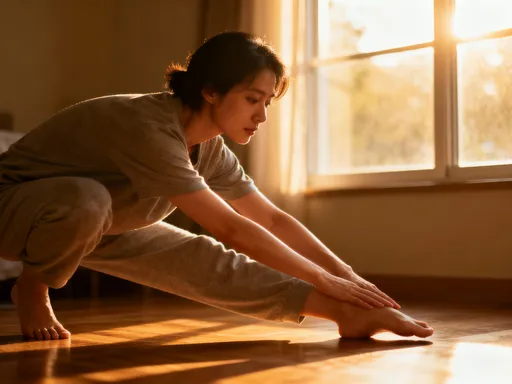
The most effective morning movements are gentle, rhythmic, and ideally paired with natural light. A 10- to 15-minute walk outside, even on a cloudy day, exposes the eyes to daylight, which directly influences the suprachiasmatic nucleus—the brain’s master clock. This exposure suppresses melatonin, the sleep hormone, and kickstarts wakefulness. Combine this with light stretching or mobility exercises, and the effect is amplified. Simple practices like shoulder rolls, neck circles, or slow spinal twists increase blood flow, release morning stiffness, and awaken the body without strain.
Breath-coordinated movement is another powerful component. Techniques such as diaphragmatic breathing paired with slow arm raises or gentle lunges help synchronize the nervous system and promote mental clarity. These are not vigorous exercises—they are intentional movements that reconnect the mind and body after a night of rest. For women juggling early responsibilities, these practices can be done while waiting for the coffee to brew or before helping children get ready for school. The key is consistency, not duration. Even five minutes of mindful movement each morning can create a noticeable shift in daily energy and nighttime sleep quality.
It’s important to avoid high-intensity workouts first thing in the morning, especially for those prone to anxiety or cortisol imbalance. While some people thrive on early exercise, others may experience a spike in stress hormones that lingers into the day, making it harder to wind down at night. Gentle activation is more universally beneficial. It prepares the body for activity without overstimulating it. Over time, this practice strengthens the body’s natural rhythm, making wakefulness more sustainable during the day and sleep more accessible at night.
Daytime Movement Snacks: Stabilizing Energy
Between morning and evening, the day often becomes a series of sedentary blocks—sitting at a desk, driving, preparing meals, managing household tasks. Prolonged inactivity, even in otherwise active individuals, can lead to energy crashes, mental fog, and a buildup of physical tension—all of which interfere with sleep. This is where “movement snacks” come in: short, frequent bursts of light activity that prevent energy dips and keep the nervous system balanced throughout the day.
A movement snack can be as simple as standing up and stretching every hour, climbing a flight of stairs, or pacing during a phone call. The goal is not to elevate the heart rate significantly, but to interrupt long periods of sitting and stimulate circulation. Research shows that breaking up sedentary time with brief activity improves glucose metabolism, reduces fatigue, and enhances cognitive function. These benefits translate directly to better sleep, as stable energy levels during the day reduce the likelihood of nighttime restlessness.
For women managing busy schedules, movement snacks are practical and adaptable. A few shoulder rolls while waiting for the microwave, calf raises while brushing teeth, or a quick walk around the block after lunch—these small actions accumulate into meaningful physiological benefits. They prevent the afternoon slump that often leads to caffeine dependence, which in turn disrupts sleep. By maintaining steady energy, movement snacks reduce the rollercoaster of highs and lows that can make it hard to settle at night.
The ideal frequency is every 60 to 90 minutes, but even two or three intentional breaks a day can make a difference. The key is to treat movement as a form of maintenance, like drinking water or taking deep breaths—something that supports the body’s natural functioning. Over time, these micro-movements improve posture, reduce muscle tension, and enhance overall resilience. When the body is not carrying the weight of physical stagnation, it is more prepared for deep, uninterrupted sleep.
The Evening Unwind: Nervous System Calming
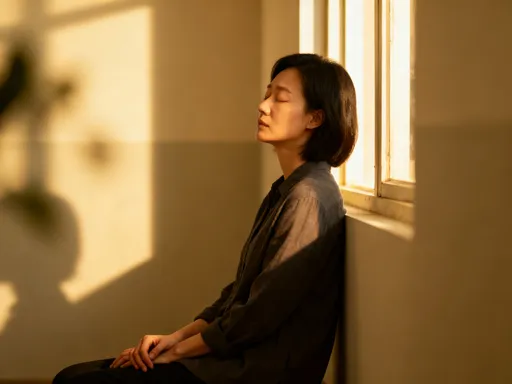
As daylight fades, the body begins its transition into rest mode. This is the time to shift from activation to relaxation—both mentally and physically. Evening movement should not energize, but soothe. The focus is on downshifting the nervous system, reducing physiological arousal, and preparing the body for sleep. This phase is often neglected, yet it may be the most critical for those struggling with insomnia or restless sleep.
The most effective evening practices are slow, mindful, and low-impact. Restorative yoga, tai chi, and gentle stretching are excellent choices. These activities emphasize breath awareness, controlled movement, and muscle relaxation. Unlike cardio or strength training, they do not raise core temperature or stimulate adrenaline. Instead, they activate the vagus nerve, which plays a central role in calming the body. This activation lowers heart rate, reduces blood pressure, and signals the brain that it’s safe to rest.
A simple 10- to 15-minute routine before bed can include seated forward folds, reclined twists, or legs-up-the-wall pose—gentle positions that release tension in the lower back, hips, and shoulders. Pairing these with slow, deep breathing enhances their effect. Inhaling for four counts, holding for four, exhaling for six—this pattern alone can shift the nervous system from “fight or flight” to “rest and digest.” The combination of physical release and breath regulation creates a powerful pre-sleep ritual.
Walking can also be part of the evening unwind, as long as it’s slow and mindful. A leisurely stroll after dinner, especially in natural surroundings, helps digest food, clear the mind, and ease the transition into night. The rhythmic motion of walking, combined with fresh air and darkness, supports melatonin production. However, it’s important to avoid bright lights, screens, or stimulating conversations during this time, as they can counteract the calming benefits. The goal is to create a buffer zone between the busyness of the day and the stillness of sleep.
Building Your Personalized Routine
With the four movement habits in place—morning activation, daytime snacks, evening unwinding, and nervous system awareness—the next step is integration. The most successful routines are not rigid, but flexible enough to adapt to daily life. The goal is consistency, not perfection. Missing a day is not failure; it’s an opportunity to recommit. The key is to start small, track progress, and adjust based on how the body responds.
A good starting point is to choose one habit to focus on for the first week—perhaps the morning walk or the evening stretch. Once it feels natural, add another. Over time, these practices form a rhythm that supports the entire day. Tracking sleep quality can be helpful, but it’s more important to notice how you feel during the day—your energy levels, mental clarity, and emotional resilience. These are often better indicators of progress than the number of hours slept.
Personalization is essential. Some women may find that a longer morning routine works best, while others prefer more frequent movement snacks. Some may benefit from a 20-minute tai chi session in the evening, while others do better with just five minutes of breathing. The body gives feedback—if a practice leaves you feeling more tired or anxious, it may need adjustment. The goal is not to follow a strict formula, but to create a sustainable flow that honors your unique rhythm.
Common pitfalls include doing too much too soon or expecting immediate results. Movement for sleep is a long-term investment. It may take two to four weeks to notice significant changes. Another mistake is skipping consistency for intensity—believing that a single 45-minute workout can replace daily micro-movements. While longer sessions have value, they don’t substitute for the regulatory effect of frequent, gentle activity. Patience and persistence are key.
Beyond Exercise: Supporting the System
Movement is a powerful pillar of sleep health, but it doesn’t work in isolation. It’s most effective when combined with other evidence-based sleep hygiene practices. Light exposure, for example, plays a critical role. Getting bright light in the morning and minimizing blue light in the evening supports the natural rise and fall of melatonin. Similarly, meal timing matters—eating too late can disrupt digestion and interfere with sleep onset. A light evening meal, finished at least two to three hours before bed, allows the body to focus on rest rather than digestion.
Stress management is another essential component. Even with perfect movement habits, chronic stress can override the body’s ability to relax. Practices like journaling, meditation, or listening to calming music can enhance the effects of evening movement. The goal is to create a holistic environment that signals safety and rest. This includes a cool, dark bedroom, a consistent bedtime, and a screen-free wind-down period.
It’s also important to recognize when professional support is needed. If sleep problems persist despite lifestyle changes, underlying conditions such as sleep apnea, hormonal imbalances, or anxiety disorders may be at play. In such cases, consulting a healthcare provider is essential. Movement is not a cure-all, but a supportive tool. When used wisely, it can significantly improve sleep quality and overall well-being.
The journey to better sleep is not about drastic changes, but about small, intentional actions that build over time. By aligning movement with the body’s natural rhythms, women can reclaim rest, restore energy, and live with greater vitality. This is not a quick fix—it’s a sustainable, science-backed approach to lifelong health.