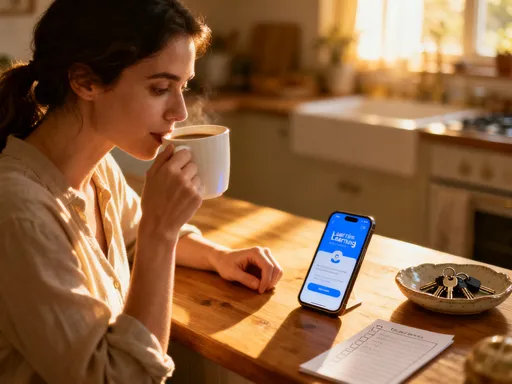
Tired of Worrying About Your Parents’ Health When You’re Not Home? Here’s How Smart Access Systems Keep Them Safe
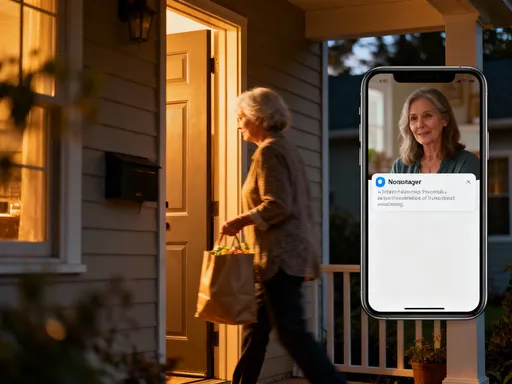
Living far from aging parents often means biting your nails, wondering if they’re okay—did they take their medicine? Did they fall? Are they eating well? You love them deeply, but distance makes daily peace of mind hard. What if your front door could quietly watch over them? Not with cameras in every room, but through gentle, respectful technology that senses well-being through everyday actions. Imagine getting a simple notification that says, ‘Mom left for her walk at 9:15 a.m.,’ or a quiet alert that says, ‘No front door activity today.’ That small piece of information can mean the difference between anxiety and reassurance. And the best part? It doesn’t require wires, complicated setups, or anything that feels like surveillance. This is about using smart access systems not just for security—but for care.
The Silent Check-In: When Your Front Door Knows More Than You Think
You’ve probably seen those ads for smart locks—unlock your door with your phone, let the dog walker in remotely, or check who’s at the door while you’re on vacation. But for families with aging parents living alone, these systems do something even more powerful: they offer a quiet, daily check-in without anyone lifting a finger. Think about it. Every time your mom or dad opens or closes the front door, they’re sending a signal. That simple act—leaving the house in the morning, coming back from the pharmacy, stepping out for a walk—tells a story about their day. When that pattern changes, it can be the first sign that something’s off.
Smart access systems track entry and exit times in a way that’s both simple and insightful. They don’t record video or listen in—just log when the door is used. If your dad usually leaves for his morning coffee at 8:30 a.m. and today there’s no activity by 10:00, that’s a cue. Maybe he’s just resting. But maybe he didn’t feel well, or had a dizzy spell, or simply forgot the time. The system doesn’t jump to conclusions. It just gives you a nudge—‘Hey, today’s routine looks different’—so you can make a quick call. And that call could be everything.
What’s beautiful about this is how unobtrusive it is. Your parents don’t have to wear a device, remember to press a button, or interact with any new tech. They live their lives as usual. The door does the work in the background. It’s not about treating them like patients. It’s about respecting their independence while giving you, the loving child miles away, a little more peace. I remember talking to a woman named Linda who lives three states from her mom. She told me, ‘I used to call every morning just to check in. Now, if I see Mom left the house, I don’t worry. If I don’t, I call—but I know it’s for a reason.’ That small shift changed everything for her.
How a Simple Unlock Can Signal Wellness (Without Cameras or Sensors Everywhere)
Let’s talk about privacy—because that’s often the biggest worry. The idea of monitoring a loved one can feel invasive, even if your heart is in the right place. No one wants to install cameras in the bathroom or motion sensors in every room. That’s not care—that’s surveillance. But here’s the good news: you don’t need any of that to stay informed. A smart access system works like a gentle observer, noticing only what’s necessary—door use—without peeking into private moments.
Here’s how it works: consistent front door activity usually means mobility, routine, and engagement with the outside world. If your mom is going out to pick up mail, meet a friend, or walk the dog, she’s moving, thinking, and living independently. When that stops—even for a day—it can be an early warning sign. Maybe she’s not feeling well. Maybe she’s overwhelmed. Maybe she had a minor fall and is afraid to say anything. The door doesn’t judge. It just reports. And that report can prompt a loving, timely conversation.
I spoke with a daughter named Sarah who set up a smart lock for her dad after he recovered from surgery. She said, ‘I didn’t want him to feel watched, so we only set up door alerts. If he doesn’t leave by noon, I get a text. It’s not much, but it’s enough. One day, he didn’t go out, and I called. Turns out, he was feeling weak and didn’t want to worry me. But because I knew, I called the nurse. It was nothing serious, but it could’ve been.’ That’s the power of subtle awareness. It’s not about replacing human connection—it’s about making it more meaningful when it’s needed most.
And the beauty is, your parents don’t have to change a thing. No apps to learn, no devices to charge. The lock works the way it always does—turn the knob, press a code, use a key. The tech runs quietly beneath the surface. You’re not turning their home into a lab. You’re just adding a layer of care that respects their dignity and your love.
Real-Life Moments: When a Missed Walk Saved a Life
Sometimes, the smallest detail makes the biggest difference. Take the story of Maria, a 42-year-old teacher in Colorado. Her mom, Rosa, lives alone in Arizona. They talk every Sunday, but Maria worries daily. A few months ago, she noticed something unusual—her mom hadn’t left the house all morning. Normally, Rosa walks to the grocery store by 10 a.m. every Tuesday. But that day, no door activity. Maria checked the app, hesitated, then called.
Rosa answered, but her voice was weak. She said she’d felt dizzy overnight and hadn’t wanted to go out. Maria asked if she’d eaten or taken her meds. The answer? No and no. Maria didn’t wait. She called a neighbor, who checked in and found Rosa dehydrated and slightly confused. She was taken to the clinic, treated, and released the same day. The doctor said, ‘Another 12 hours, and it could’ve been serious.’
Maria told me, ‘That door alert didn’t save her life—but it gave me the chance to. Without it, I wouldn’t have known until Sunday.’ Stories like this aren’t rare. I’ve heard from dozens of families who say the same thing: a quiet notification, a quick call, and an early intervention made all the difference. One man told me his dad had a minor stroke. He didn’t call for help. But because he didn’t leave the house that day, his daughter noticed and sent someone over. ‘He didn’t even know how bad it was,’ she said. ‘But the door knew.’
These aren’t dramatic rescues with sirens and flashing lights. They’re quiet, human moments—moments where love shows up just in time because a simple piece of technology noticed a change in routine. That’s not sci-fi. That’s real life. And it’s happening in homes across the country, one front door at a time.
Setting Up for Care: How to Use Your System to Monitor Loved Ones Gently
Now, you might be thinking—this sounds great, but is it hard to set up? The truth is, it’s easier than you think. Most smart access systems are designed for everyday people, not tech experts. And the goal isn’t to turn your parents’ home into a high-security fortress. It’s about setting up gentle, meaningful alerts that help you stay connected without overstepping.
Start with a simple conversation. Talk to your parents about why you want this—not because you don’t trust them, but because you care. Say something like, ‘I worry when I don’t hear from you. What if we had a way to know you’re moving through your day without me calling all the time?’ Many parents appreciate the thought, especially if they know it’s low-pressure and private.
Next, choose a system that fits their lifestyle. Look for one with long battery life, easy installation, and a simple interface. Most smart locks let you set up departure and return alerts through a phone app. You can choose to get a notification if the door hasn’t been used by a certain time—say, 11 a.m. Or if there’s no evening return by 7 p.m. These alerts can go to you, a sibling, or even a trusted neighbor. You can also share temporary access with caregivers—like a housekeeper or nurse—so they can come and go without needing a physical key.
One tip: keep the notifications simple. You don’t need an alert for every door use. Just the key ones—like morning departure or evening return. And make sure the system sends low-battery alerts so you know when to replace the batteries. Some systems even work with voice assistants like Alexa or Google Home. That means you can say, ‘Hey Google, did Mom leave the house today?’ and get a quick answer—no phone needed.
The key is to set it up as a tool for care, not control. It’s not about tracking every move. It’s about knowing when to reach out. And when done right, it feels less like monitoring and more like loving from a distance.
Beyond Security: Turning Everyday Tech Into a Wellness Tool
We often think of smart locks as security tools—keeping intruders out, letting trusted people in. But they can be so much more. When used thoughtfully, they become wellness tools, quietly supporting independence while giving families peace of mind. And the best part? They fit into daily life without adding stress or complexity.
Think about how your parents’ day flows. Morning coffee, a walk, a doctor’s appointment, picking up a prescription. Each of these involves leaving and returning home. When you link door activity with a simple calendar or reminder system, you create a low-effort wellness check. For example, if Mom has a doctor’s appointment at 2 p.m., you can set a reminder to check the app around 3:30. If the door shows she came and went, you know she made it. If not, you can call and ask if she forgot—or if something’s wrong.
Some families even pair the door data with medication routines. If your dad usually goes out for a walk after lunch, and that walk is tied to taking his pills, a missed walk might mean a missed dose. Again, it’s not about policing—it’s about supporting. You’re not watching every move. You’re just noticing when the rhythm changes.
And here’s a beautiful side effect: it reduces guilt. So many daughters and sons tell me they feel guilty for not being there. They worry they’re not doing enough. But with a smart access system, they feel more connected, more helpful, without having to move back home or call constantly. One woman said, ‘It’s like having a little piece of my heart at her front door.’ That’s what this is really about—not just data, but love in action.
What to Look for in a System That Cares, Not Just Controls
Not all smart locks are created equal—especially when it comes to care. You don’t need the most advanced model with facial recognition or 4K video. What you need is something reliable, simple, and respectful of privacy. Here’s what to look for.
First, ease of use. Your parents shouldn’t struggle with codes or apps. Look for a lock with a clear keypad, large buttons, and voice feedback if possible. Some models even light up in the dark—perfect for nighttime trips outside.
Second, battery life. Nothing defeats the purpose like a dead lock. Choose one with long-lasting batteries and clear low-battery alerts. Some send warnings two weeks in advance—plenty of time to replace them.
Third, privacy controls. Make sure the system doesn’t record video or audio unless you want it to. Focus on models that only log door use and send basic alerts. And check that data is encrypted and stored securely.
Fourth, remote access and sharing. You should be able to check door activity from your phone, and share access with family or caregivers easily. Look for temporary access codes—great for housecleaners or repair people—so you don’t have to hand out physical keys.
Finally, integration. Does it work with your voice assistant? Can it connect to a calendar or reminder app? These small features make a big difference in how smoothly it fits into your life. Brands like August, Schlage, and Yale offer models that balance simplicity and smart features—perfect for families who want care, not complexity.
Peace of Mind Is the Ultimate Comfort—And It Starts at the Front Door
At the end of the day, this isn’t really about technology. It’s about love. It’s about wanting the people you care about to be safe, independent, and happy—even when you can’t be there to see it for yourself. A smart access system doesn’t replace phone calls, visits, or heartfelt conversations. But it does add a quiet layer of reassurance that wraps around your heart when you’re miles away.
It’s the difference between guessing and knowing. Between worrying all day and feeling a little more at ease. Between hoping they’re okay and seeing proof they moved through their day just like always. And when something’s not right, it gives you the chance to act—early, gently, and with love.
Technology should make life better, not busier. It should serve us, not control us. And when it’s designed with care, it can do something truly beautiful: it can help us love more deeply, even from a distance. So if you’re someone who lies awake wondering if your mom took her pills or if your dad made it back from his walk, know this—there’s a simple, respectful way to feel closer. It starts with the front door. And it ends with peace of mind—the greatest gift we can give ourselves and the ones we love.