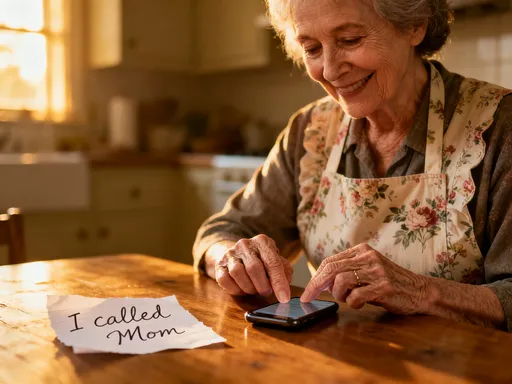
I forgot to call Mom again — How a simple family note app keeps us connected and worry-free
We’ve all been there — promising to check in on a parent, only to realize days have slipped by. In our busy lives, staying in touch with aging family members can feel overwhelming. But what if a tiny tech habit could bring peace of mind? This is the story of how a simple note app transformed my family’s routine, turning scattered reminders into shared care — one small message at a time. It didn’t replace our calls or visits, but it gave us something just as precious: the quiet comfort of knowing she was okay, even when I couldn’t be there.
Did You Take Your Pills Today? — The Moment I Knew We Needed a Better Way
It started with a phone call — or rather, the lack of one. I had promised myself I’d check in on Mom every other day. But that week, the kids were sick, work deadlines piled up, and before I knew it, four days had passed. When I finally called, her voice was light, cheerful even. "Oh, I’m fine," she said. But then, almost as an afterthought: "I think I missed my blood pressure pill yesterday. Or was it two days ago?"
My stomach dropped. Not because she’d missed a dose — that happens — but because I hadn’t known. I wasn’t there to help. I wasn’t even there to ask. That moment hit me hard. I loved her fiercely. I wanted to be the daughter who kept things together. But love alone wasn’t enough. We needed a system — something gentle, simple, and always within reach.
It wasn’t just the pills. It was the doctor’s appointments she forgot to mention. The grocery trips that left her exhausted. The days she didn’t feel like talking but didn’t want to worry me by saying so. The invisible weight of caregiving was building — on her, and on me. I realized then that disorganization wasn’t a personal failure. It was just life — full, messy, and moving too fast. And if technology could help us slow it down just a little, maybe it was worth trying.
Why Sticky Notes and Memory Aren’t Enough Anymore
We used to rely on the little things: sticky notes on the fridge, reminders scribbled in her calendar, my own mental checklist. But over time, those systems started to fail. The yellow note about her heart medication? Washed away with the grocery list during laundry day. The appointment written in her planner? Overlooked because the page was crowded. And my memory? It wasn’t perfect either. I’d promise to call at 3 p.m. and get pulled into a meeting. I’d ask her to remind me about the test results — then forget to check.
What I didn’t understand at first was that memory isn’t just about forgetting. For someone aging, even small cognitive shifts can make organization harder. It’s not that Mom was less capable — she was still sharp, still independent. But keeping track of multiple medications, appointments, and family updates takes mental energy. And when that energy fades, even the most organized person can feel overwhelmed.
Meanwhile, I was carrying guilt. Guilt for not calling. Guilt for asking too many questions. Guilt for not being there. We were both trying, but we were out of sync. The truth was, we needed something that didn’t rely on memory alone — something that could hold the details for us, gently and reliably. Something that didn’t feel like another chore, but like a quiet helper in the background.
That’s when I started looking for a better way — not a high-tech fix, but a simple tool that could bridge the gap between our lives. Something that wouldn’t replace conversation, but make it easier. Something that could carry the small things, so we could focus on the big ones — like how she was really feeling, or what she wanted to talk about over tea.
Finding the Right App: Not Just for Tech-Savvy Kids
I’ll admit it — my first few attempts were clumsy. I downloaded a fancy health tracker with graphs and alerts. Mom opened it once, frowned, and said, "It looks like a spaceship dashboard." Another app asked her to log everything — meals, steps, moods — like a science experiment. She felt watched, not supported.
I realized then that the best tech for families isn’t the most advanced. It’s the one that feels invisible. The one that doesn’t ask for a tutorial. So I went back and asked myself: What would make Mom actually use this? The answer was simple — it had to feel familiar, like leaving a note on the kitchen counter or sending a quick voice message.
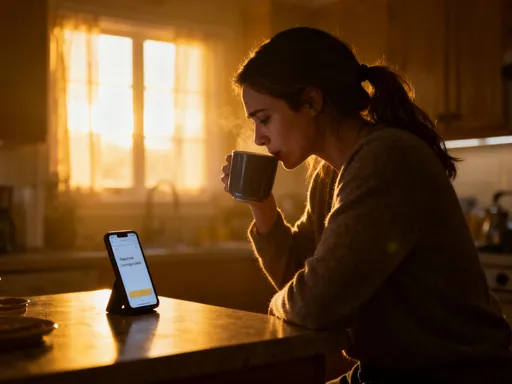
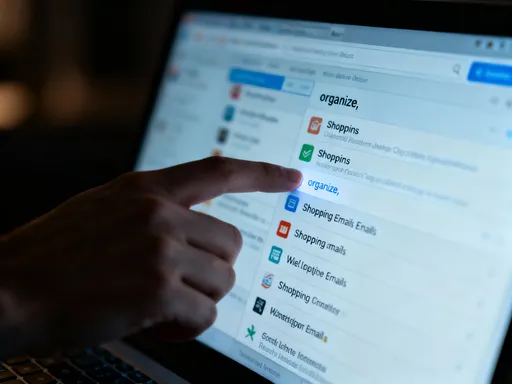
After some research — and a few awkward test runs — we landed on a basic shared note app. Nothing flashy. Just a space where we could leave short messages, checklists, and photos. The text was large. The buttons were clear. She could open it with one tap on her tablet, which she already used for recipes and crossword puzzles. No passwords to remember, no menus to navigate. Just a digital notepad that lived in the same place as her other daily habits.
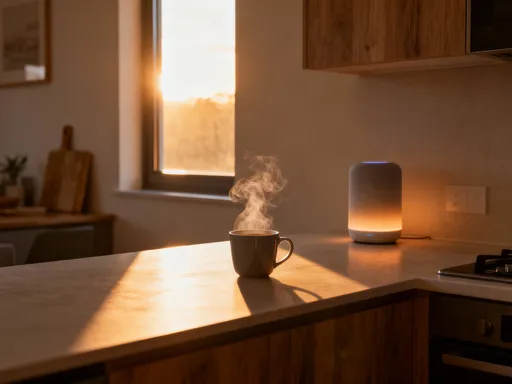
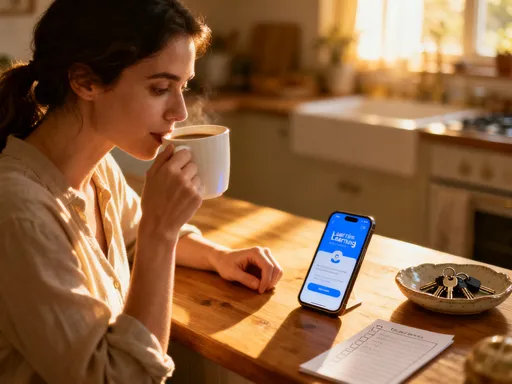
The real test came when she used it without me asking. One morning, I opened the app and saw a photo of her teacup with the note: "Tea time! Feeling good today." My eyes welled up. It wasn’t a report. It wasn’t a checklist. It was a moment — shared, spontaneous, and full of life. That’s when I knew we’d found something that worked not because it was smart, but because it felt human.
How We Organized Care Without Making It Feel Like “Care”
One of my biggest worries was that the app would feel clinical — like a medical chart or a supervision tool. I didn’t want Mom to feel like she was being monitored. So we didn’t call it a “care app” or a “health tracker.” We just called it our family note. And we used it for everything — not just the serious stuff, but the sweet, silly, everyday things too.
We created shared notes for different parts of her week. One was for medications — just a simple checklist with the names and times. She could tap a box when she took her pill. I could see it updated in real time, not with a notification, but just there — quiet and reassuring. Another note was for appointments. When the doctor called to reschedule, she’d jot it down. I’d confirm it later. No more crossed wires.
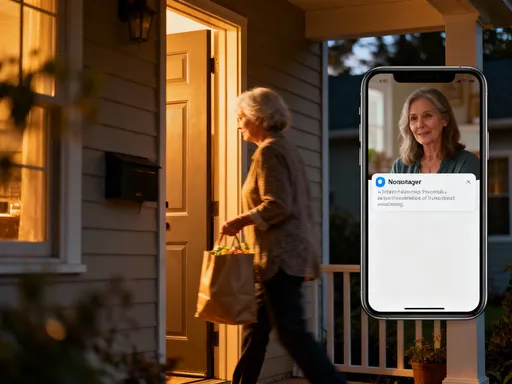
But we also had a grocery list — which quickly became her way of telling me what she wanted me to bring over. "Apples, oatmeal, and that chocolate you like," she wrote once, followed by a smiley face. We started a "tea chat" note where we’d leave little updates: "Saw a cardinal at the feeder today," or "Tried the new herbal blend — too strong!" These weren’t tasks. They were invitations to connect.
The magic wasn’t in the structure — it was in the tone. We kept it light. We used her words, not medical terms. Instead of "Did you take your meds?" the app reminded her with "Time for your morning team — pills 1, 2, and 3!" It wasn’t about control. It was about partnership. And slowly, she began to see it not as something I imposed, but as a tool she owned — one that helped her feel more capable, not less.
The Ripple Effect: From One Note to Daily Connection
What started as a practical solution became something deeper. The small updates didn’t replace our long calls — but they made them better. Instead of starting with "Are you okay?" I could begin with "I saw your tea photo — that mug is so cozy!" The anxiety faded. The connection grew.
One morning, she sent a voice note: "All pills taken! And I walked around the block — felt great." I played it twice. It wasn’t just information — it was pride. She wasn’t just reporting. She was sharing a victory. And I realized that the app had become a space for her to express independence, not dependence.
The ripple effect touched our whole family. My sister started checking in too. She’d add to the grocery list or leave a funny meme. My kids drew pictures and asked me to upload them with notes like "Grandma, I love you." Suddenly, the app wasn’t just about health — it was a living scrapbook of our love, one small message at a time.
And the best part? The panic calls stopped. No more 9 p.m. worries about whether she’d eaten. No more frantic texts to my siblings asking, "Did you talk to Mom?" The quiet presence of her updates — a photo, a checklist, a voice note — became a steady rhythm in our lives. It didn’t eliminate concern, but it turned anxiety into assurance.
Overcoming the “I Don’t Need Help” Barrier with Gentle Tech
I’ll be honest — Mom didn’t jump at the idea at first. "I’m not helpless," she said, and I didn’t argue. She wasn’t. The key was reframing. I didn’t present it as a tool for her to use because she needed help. I presented it as a way for us to stay better connected. "It’s like our little journal," I said. "A place where we can share things without having to call every time. You can tell me about your day, and I can send you funny cat videos. It’s not about fixing anything — it’s about sharing more."
We started small. Just one note — the tea chat. No pressure. No rules. She could ignore it if she wanted. But she didn’t. She started leaving little updates. Then she added the medication checklist. Then she began asking me to send recipes through the app. Each step was her choice. Each step built trust.
I learned to listen more than I suggested. When she said, "This button is too small," I changed the font. When she didn’t like the reminder tone, we picked a softer one — a gentle chime, not a beep. It wasn’t about making the app perfect. It was about making it hers.
The turning point came when she showed it to her friend at church. "This is how my daughter and I stay in touch," she said, swiping through the notes. "It’s easy. I feel closer to her now." That moment told me everything. It wasn’t just working — it was working for her, not just for me.
A Calmer Home, A Lighter Heart — What Changed for Us
Today, our lives feel different. Not because everything is perfect — we still have tough days, unexpected doctor visits, moments of worry. But the constant undercurrent of stress has softened. I don’t wake up wondering if she’s okay. I check the app — not obsessively, but peacefully — and see her morning note. And if there’s nothing, I send a gentle "Thinking of you" instead of a worried call.
Mom feels it too. She’s more confident in managing her routine. She’s less anxious about forgetting things. And she’s more open about how she’s really feeling — because the app made it safe to share, one small note at a time. Our conversations have deepened. We talk less about tasks and more about life — her memories, her hopes, the little joys she finds each day.
What I’ve learned is this: technology doesn’t replace love. But when used with care, it can carry love more gently. It can hold the small details so we can focus on the big feelings. It can turn worry into warmth, and distance into closeness.
If you’ve ever forgotten to call your mom, or worried that someone you love is struggling in silence, I want you to know — you’re not alone. And you don’t have to do it all in your head. A simple note app won’t solve every challenge, but it might just give you something priceless: peace of mind, one small message at a time. Try it. Start small. Let it grow. And let technology do what it does best — not take over, but help you care, a little more easily, every single day.