Tired of just waving from a distance? This app finally helped me meet my neighbors for real
Living in a neighborhood where everyone smiles but no one stops to talk? I used to pass the same faces every morning—waving, maybe exchanging a quick “nice day!”—but never really *connecting*. It felt like we were all living in parallel worlds. Then I tried a simple neighborhood mutual aid app, not really expecting much. But within weeks, I wasn’t just borrowing eggs—I was making real friends. This isn’t about tech for the sake of tech. It’s about using something small to finally feel at home.
The Loneliness Behind Closed Doors
Let’s be honest—sometimes, even in a full house, you can feel alone. And if you’ve ever walked your dog past the same houses every day, nodded at the same people, yet never shared more than a smile, you know what I mean. We live close, but we don’t always feel close. I remember standing at my mailbox one afternoon, watching a neighbor unload groceries. I thought, “I wonder if she needs help?” But I didn’t say anything. Why? Because we’ve all been trained to keep to ourselves, to avoid bothering anyone. It’s polite, sure—but it’s also isolating.
Studies show that more people than ever report feeling lonely, even when surrounded by others. We’re connected online, yes—but those digital friendships don’t always warm your kitchen on a rainy Tuesday. What we’re missing is proximity with purpose. We need someone to borrow sugar from, to ask about a plumber, or just to say, “Hey, I saw that your trash can blew into the street—wanted to let you know.” These tiny moments build the fabric of community. And here’s the thing: that fabric is starting to reweave itself, not through grand gestures, but through small, simple tools we already carry—our phones.
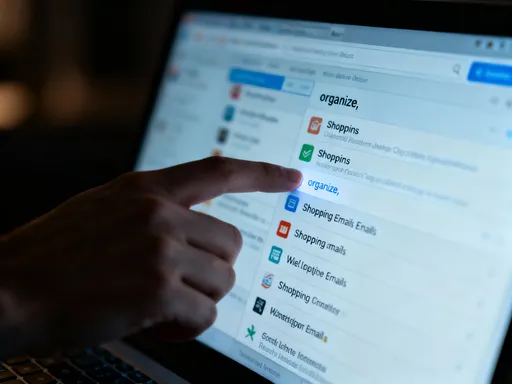
Neighborhood mutual aid apps—platforms designed for local sharing, help, and connection—are quietly changing the way we interact with the people just steps from our front doors. They’re not flashy. They don’t have filters or viral challenges. But they do something powerful: they give us permission to reach out. To say, “I need something.” Or, “I can help.” And in doing so, they turn sidewalks into shared spaces and houses into homes.
From “Need Help?” to “Let’s Chat”
At first glance, these apps look like digital bulletin boards. Someone posts, “Need a drill for an hour,” and someone else replies, “I’ve got one—come by anytime.” Practical, right? But what’s really happening beneath the surface is far more meaningful. Every post is a tiny act of vulnerability. When you ask for help, you’re saying, “I don’t have it all together—and that’s okay.” And when someone responds, they’re saying, “I see you. I’m here.”
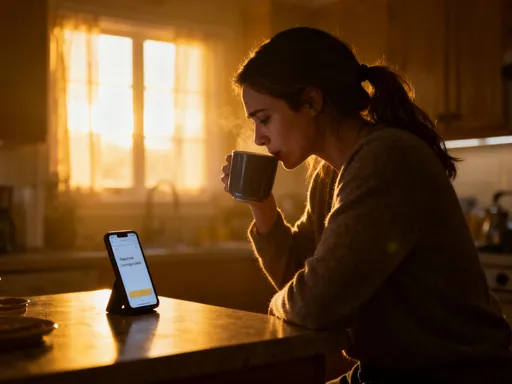
I remember my first post. I’d just moved a heavy bookshelf and couldn’t get it up the stairs. My back was screaming. I hesitated, then typed: “Anyone nearby have strong arms and five minutes to spare?” I hit send and immediately worried—was I being too forward? But within ten minutes, a reply: “I’m two doors down. Be right there.” That was Mark. He helped me carry the shelf, chatted about his garden, and left with a, “Let me know if you need anything else.”
A week later, I saw him outside. I didn’t just wave—I walked over and said, “How’s that tomato plant doing?” That small shift—from digital message to real-life recognition—was everything. Soon, I started noticing others using the app too. A mom asking for a spare car seat for a last-minute trip. A retiree offering to walk dogs during vacation season. Each request, each reply, was a thread in a growing web of trust. And the best part? No pressure. No forced small talk at PTA meetings. Just organic, low-key moments that led to real connection.
How a Simple Ask Changes Everything
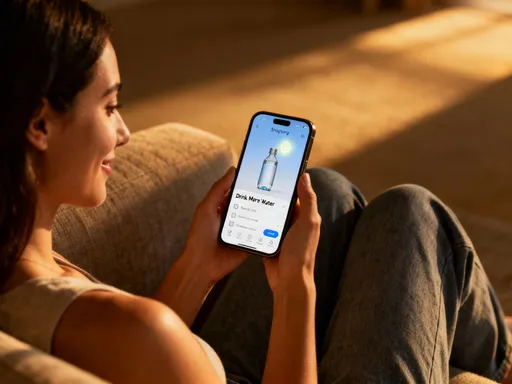
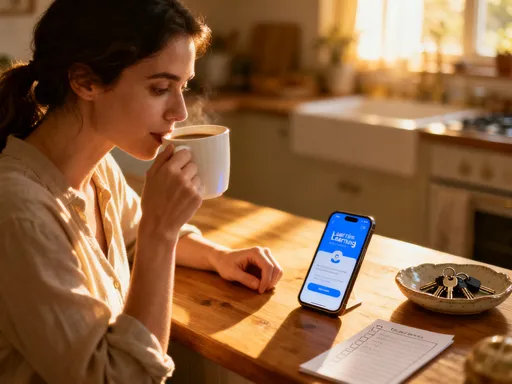
Asking for help isn’t easy. As women, especially as moms or caregivers, we’re often expected to do it all. We cook, we clean, we remember birthdays, and we rarely raise our hands to say, “I’m overwhelmed.” But here’s what I’ve learned: asking isn’t weakness—it’s the first step toward belonging. And these apps make it easier because they lower the stakes. You’re not standing on someone’s porch, hoping they’re home and in a good mood. You’re typing from your couch, in your sweatpants, with zero eye contact required.
That safety matters. I had a friend, Sarah, who was new to town and struggling after a move. She didn’t know anyone. One night, she posted, “First time living alone. Anyone want to grab coffee and chat?” I responded, and we met at a café the next day. Now? We’re in a weekly book club with four other women from the app. But it started with one brave message.
There’s something about the structure of these apps that eases social anxiety. You can read a request, think about it, and respond when you’re ready. No awkward silences. No fear of saying the wrong thing. And because the interactions start around tasks—borrowing, sharing, helping—the emotional weight feels lighter. But over time, those practical exchanges become personal. You start to recognize names. You notice who always helps. Who remembers your dog’s name. Who sends a quick “Hope your kid feels better!” after you mention a sick child.
Before you know it, the screen fades, and the person behind the message becomes real. The app doesn’t create the friendship—it just opens the door.
Beyond Favors: Building Shared Routines
What’s amazing is how quickly these connections evolve. It starts with a ladder, but it doesn’t end there. I borrowed a pressure washer last summer, and the neighbor who lent it invited me to a block dinner the next week. Now, we have a monthly potluck. No formal planning—just someone posts, “Grilling burgers Saturday—bring a side!” and suddenly, the whole street shows up.
These apps help uncover shared rhythms. Parents organize playdates through quick messages. Gardeners swap cuttings and tips. One woman started a “spare key exchange” for trusted neighbors—so if someone’s out of town, a friend can check on their house and water plants. It’s not just about convenience; it’s about creating a sense of shared responsibility.
I’ve seen single moms trade babysitting hours, retirees teach teens how to bake, and neighbors organize holiday light tours for kids. These aren’t events planned by a homeowners’ association—they’re organic, joyful moments sparked by simple digital nudges. And because they’re initiated by real needs and real interests, they stick. People show up because they want to, not because they feel obligated.
One of my favorite stories? A woman named Linda posted that she was planting herbs and had extra basil seedlings. “First come, first served!” she wrote. Three neighbors came by, took plants, and ended up chatting in her driveway for an hour. Now, they have a “kitchen garden group” where they share recipes, harvests, and even hosted a “herb and wine” night. It’s these small, repeated interactions that turn a collection of houses into a living, breathing community.
Safety, Trust, and Knowing Who’s Nearby
Let’s talk about something important: safety. As women, as parents, as people who care about our homes, we want to know who’s around. When a storm hits, when you’re traveling, when your child is playing outside—peace of mind matters. And here’s the truth: knowing your neighbors is one of the best security systems you can have.
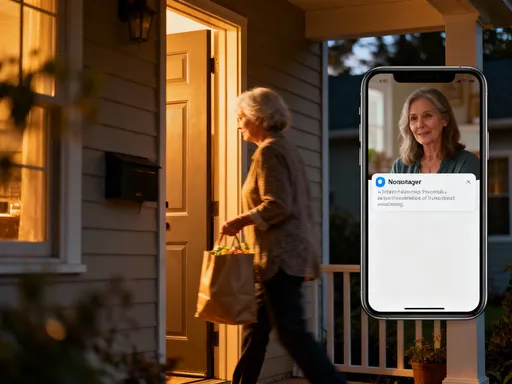
These apps often require users to verify their address, so you know you’re talking to someone who actually lives nearby. No strangers. No mystery. Just real people on your block. I remember when I went to visit my sister for a week. Before I left, I posted: “Out of town until Friday. If my lights go off or mail piles up, feel free to knock or text.” Two neighbors responded. One brought in my packages. Another turned on my porch light one night when it rained. When I came home, there was a note: “Welcome back! Your plants are watered.”
That kind of care isn’t transactional. It’s relational. It’s built on small acts that add up. And when emergencies happen—like a burst pipe or a power outage—having names and numbers saved from the app makes a huge difference. You’re not calling a random service; you’re texting someone who knows your dog’s name and your favorite coffee order.
For older adults or those living alone, this network can be life-changing. One woman told me her mom, who lives a few blocks away, fell one evening. She wasn’t seriously hurt, but she couldn’t get up right away. A neighbor who’d met her through the app heard the noise, checked the porch, and helped her inside. “I would’ve just waited for someone to notice,” she said. “But now I know people are paying attention.”
Real Talk: Not Every Interaction Works
I won’t pretend it’s perfect. Not every message gets a reply. Not every meetup turns into a friendship. I once offered to share extra zucchini from my garden, and only one person responded—my neighbor’s teenage son, who took three and said, “My mom hates zucchini bread.” We both laughed, but that was it.
And sometimes, the timing is off. I messaged someone about dog walking, and they replied, “Sorry, we’re overwhelmed right now.” That’s okay. The beauty of these apps is that they allow for low-pressure connection. You don’t have to force it. You don’t have to be everyone’s friend. You just need a few meaningful matches.
I’ve learned to be patient. To post without expectation. To accept that some people are just there for the practical stuff—and that’s fine. The goal isn’t to turn every neighbor into a bestie. It’s to create a space where kindness can happen, where help is available, and where people feel seen.
There’s also a learning curve—figuring out how to phrase requests politely, how to respect boundaries, when to follow up. But these are skills we can grow. And honestly? Even the awkward moments have value. They remind us that connection isn’t about perfection. It’s about showing up, trying, and being open to what might happen.
Turning Your Block Into a Community
The real magic isn’t in the app. It’s in what the app unlocks. It’s in the porch conversations, the shared meals, the kids running freely from yard to yard because they know every adult on the street. It’s in the quiet confidence that if something happens, someone will notice.
When more people join, the culture shifts. I’ve seen streets transform—from quiet, closed-off rows of houses to vibrant, connected blocks where people wave, stop to chat, and celebrate together. Newcomers are welcomed with care packages. Holidays are shared. Birthdays are acknowledged. And in a world that often feels rushed and disconnected, that kind of warmth is rare.
These apps don’t build community alone. They don’t replace face-to-face time or long talks over coffee. But they do something essential: they lower the barrier to entry. They give us a way to say, “I’m here. I care. I’m open.” And in return, we get more than favors—we get belonging.
Home isn’t just the place with your name on the lease. It’s the street where someone saves your package. It’s the porch where you share stories. It’s the feeling that you’re not just passing through—you’re part of something. And sometimes, all it takes is one small ask to begin.