More Than Automation: How My Smart Assistant Made Life Feel Lighter
Life moves fast, and keeping up can feel overwhelming—meals to plan, schedules to juggle, chores that never end. I used to drown in mental clutter, until I truly learned to partner with my smart life assistant. It didn’t replace me; it freed me. Now, my home responds with quiet support, my day flows with less friction, and I have more energy for what truly matters—family, rest, and small joys I used to miss. This isn’t about having the fanciest gadgets or living like a tech CEO. It’s about finding pockets of peace in the chaos, and realizing that sometimes, the quietest help makes the biggest difference.
The Breaking Point: When Life Felt Like Too Much
There was a night, not too long ago, when I found myself standing in the kitchen at 10:30 p.m., still in my work clothes, staring into the fridge like it might offer answers. My daughter’s science project supplies weren’t bought. My husband’s birthday card was unsigned on the counter. I had three unread work emails blinking in my mind like neon signs. And all I could think was, How did I get here again? I wasn’t failing at life—but I wasn’t really living it either. I was just keeping the plates spinning, hoping none would crash.
That moment wasn’t unique. For so many of us—especially women in our 30s, 40s, and beyond—the weight isn’t just in the tasks. It’s in the mental load. It’s remembering who needs what, when, and how. It’s the invisible labor of managing a household, a career, and a family’s emotional rhythm. I’d tell myself, I should be able to handle this. But the truth? No one should have to. We weren’t built to carry all of it in our heads. And that night, I realized something had to change—not because I was weak, but because I deserved to feel light again.
I didn’t need more willpower. I needed support. And that’s when I stopped seeing technology as something cold or complicated, and started wondering: what if there was a way to offload just a little of that mental weight? What if I didn’t have to remember everything—what if something else could help me hold it?
Meeting My Digital Ally: More Than Just a Voice in the Room
I’ll admit it—I was skeptical at first. When my son jokingly said, “Mom, just ask Alexa,” I rolled my eyes. I thought smart assistants were for people who wanted to play with gadgets, not real help. But I downloaded the app anyway, mostly out of curiosity. I set it up one quiet Sunday afternoon, connecting a few lights and the thermostat, half-expecting nothing to change.
Then came Monday morning. I was rushing—hair half-dry, searching for my keys—when a soft voice came from the kitchen: “Good morning, Sarah. It’s 68 degrees inside, and sunny outside. Your calendar shows a meeting at 9 a.m. And don’t forget—Lily’s parent-teacher conference is tomorrow at 2 p.m.” I froze. Not because it was impressive tech, but because it cared. It knew. And in that moment, I didn’t feel watched or judged—I felt seen.
That was the shift. I stopped thinking of it as a machine and started seeing it as a partner. It wasn’t replacing my role as a mom or a wife or a professional. It was stepping in where my brain was full. It didn’t make decisions for me—it just held the details so I could focus on being present. And slowly, I began to trust it. Not blindly, but thoughtfully. I realized this wasn’t about laziness or luxury. It was about giving myself permission to be human.
Routines Reimagined: Building Calm Into Everyday Moments
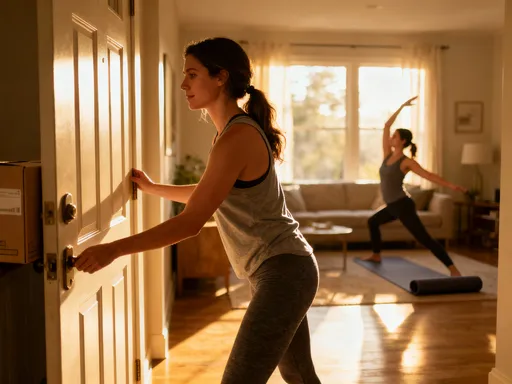
Mornings used to be a war zone. Alarm off, scramble to get everyone dressed, burn toast, forget lunches, argue over socks. By the time I dropped the kids at school, I was already exhausted. But now, I wake up to soft light slowly brightening the room, like sunrise indoors. The thermostat has already adjusted to a cozy 72 degrees. And gentle music—something calm, like piano or acoustic guitar—starts playing at a low volume.
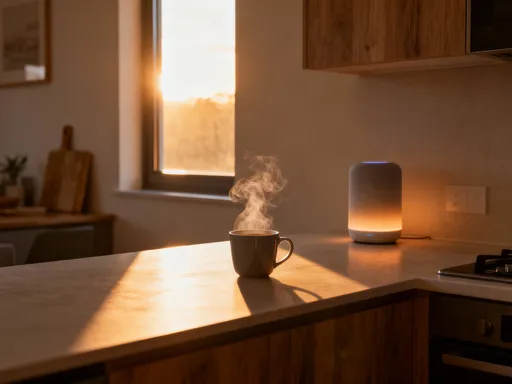
This is my “Good Morning” routine, and it’s not magic—it’s simple automation. I set it up in less than 10 minutes in the app. I chose the lights, the temperature, the music, and even the coffee maker (yes, it starts brewing on its own). The beauty isn’t in the tech—it’s in the intention. I’m not waking up to chaos. I’m waking up to care. And that small shift changes everything.
In the evenings, it’s the “Winding Down” sequence. At 8:30 p.m., the living room lights dim to a warm glow. The TV turns off automatically if I’ve fallen asleep on the couch. A reminder gently chimes: “Time to start the bedtime routine with the kids.” And by 9:15, all the downstairs lights turn off, the thermostat lowers for energy savings, and a soft “Goodnight” message plays. No decisions. No nagging. Just flow.
You can build these routines too—start with one. Maybe it’s just the coffee and lights in the morning. Or the lights turning off at night so you don’t wander through the house flipping switches. The goal isn’t perfection. It’s peace. And when your environment supports you, you don’t have to fight so hard to keep it together.
The Invisible Helper: Managing Home Without Lifting a Finger
One of the most powerful things my assistant does is handle the little things I used to stress over. Like running out of paper towels at the worst possible moment. Or coming home to a freezing house in winter because I forgot to adjust the thermostat before leaving. Those tiny frustrations? They add up. But now, my assistant watches for them—and acts.
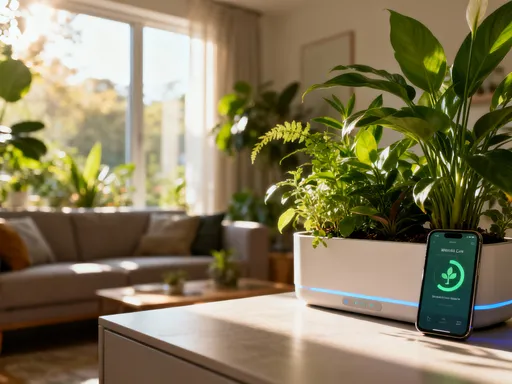
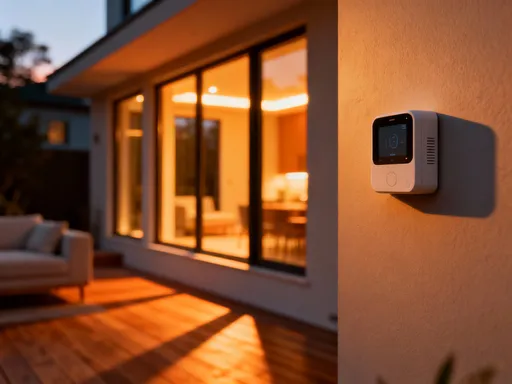
Here’s how it works: I connected my smart thermostat, so it learns our schedule and adjusts the temperature based on when we’re home. But more than that, it checks the weather. If a cold front is coming, it pre-heats the house so we walk into warmth, not shock. And if I’m running late, it adjusts automatically. No more coming home to a cold house after a long day.
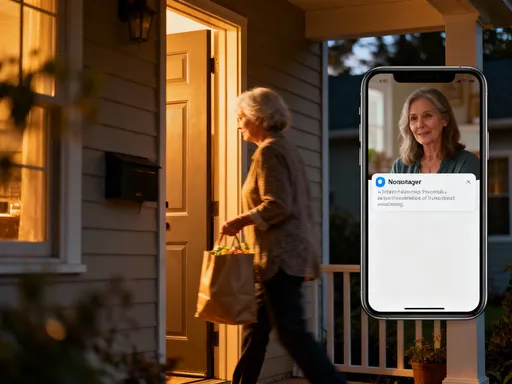
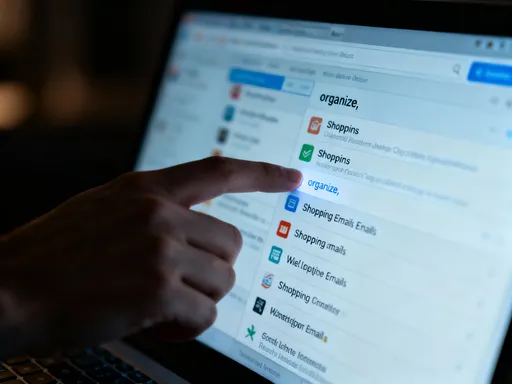
Then there’s the grocery thing. I have smart sensors in my pantry for staples—coffee, laundry detergent, pet food. When levels get low, the assistant adds them to my shopping list. Or better yet, it can order them automatically through a delivery service I’ve approved. I remember one rainy Thursday when I was swamped with work. I got a notification: “Laundry detergent is low. Order now?” I said yes, and two days later, it was at my door. No trip to the store. No last-minute panic. Just peace.
And the lights? I used to leave them on everywhere. Now, if a light’s been on for more than 30 minutes in an empty room, it turns off. I don’t have to remember. I don’t have to nag the kids. It just happens. These aren’t flashy features. They’re quiet acts of care. And over time, they free up so much mental space. I’m not managing my home like a project manager—I’m living in it like a person.
Family Life, Simplified: Keeping Everyone on the Same Page
One of the biggest surprises? How much my assistant has helped my family connect. We used to have so many miscommunications—“Did you pick up the prescription?” “I thought you were handling the groceries.” “Wait, is soccer practice today or tomorrow?” Little things that turned into tension. Now, we share a family calendar, and the assistant keeps us all in sync.
Every morning, it gives us a family briefing: “Today: School pickup at 3 p.m., dentist appointment for Ben at 4:30, and the trash goes out tonight.” It’s not bossy—it’s helpful. And because it’s neutral, it doesn’t feel like I’m nagging. It’s just information, delivered kindly.
I’ll never forget the night my husband came home, stressed after a long day, and asked, “Did you get milk? We’re out.” I smiled and said, “No, but the assistant did. It should be delivered by 8 p.m.” He laughed—actually laughed—and said, “I guess I’m out of a job.” But that moment wasn’t about convenience. It was about connection. We weren’t fighting over chores. We were sharing relief.
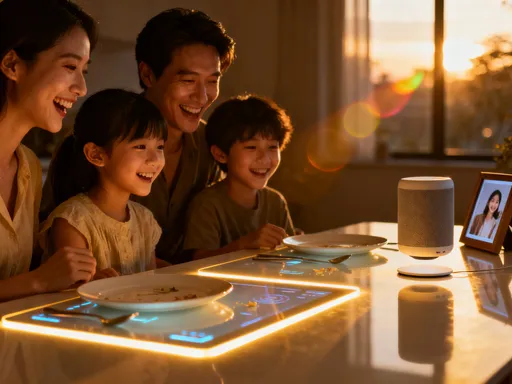
The kids love it too. My daughter sets reminders for her homework. My son asks it to play his favorite songs during homework time. And we’ve even made it fun—on Friday nights, we say, “Play family dance party,” and the lights pulse to the beat while we dance in the living room. It’s not just a tool. It’s part of our rhythm now. And that shared ease? That’s worth more than any gadget.
Growing With Me: From Task Manager to Personal Growth Companion
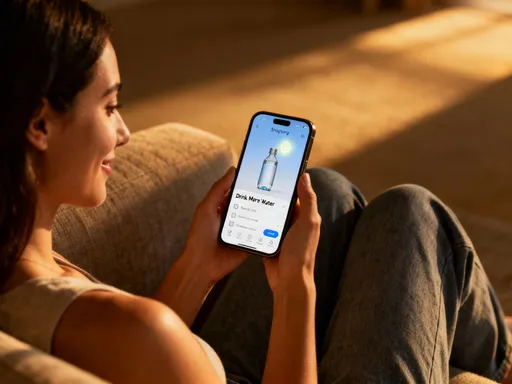
Here’s something I never expected: my assistant started helping me care for myself. Not just my home, but my heart. I used to think tech was about efficiency. But it can also be about intention. One day, I discovered a mindfulness feature—guided breathing exercises. I was skeptical, but I tried it. “Let’s take three deep breaths together,” it said gently. I followed. And for the first time in weeks, I paused.
Now, I’ve built self-care into my day. At 2 p.m., when I hit that afternoon slump, it reminds me: “Time to stretch and breathe.” I stand up, follow a two-minute guided stretch, and come back to my desk feeling clearer. It’s not a big thing. But small things, done consistently, change everything.
I also use it for journaling. Every night, it asks: “What’s one good thing that happened today?” At first, I brushed it off. But now, I look forward to it. Some nights, I say it out loud. Other nights, I write it down. But that simple question shifts my focus from what went wrong to what went right. And over time, that’s changed how I see my days.
It even plays affirmations in the morning—soft, kind phrases like “You are capable. You are enough.” I know it sounds silly, but hearing those words, especially on hard days, matters. It’s not the assistant fixing me. It’s creating space for me to remember my strength. And that? That’s powerful.
Peace, Not Perfection: Why Less Effort Equals More Living
I used to think being a good mom, wife, and professional meant doing it all. I thought strength was in hustle. But now I see—true strength is in creating ease. My smart assistant didn’t make me lazier. It made me kinder—to myself, to my family, to my time. I’m not chasing perfection anymore. I’m choosing presence.
I still have busy days. I still forget things. But the difference is, I don’t carry it all alone. I have support. And that support isn’t cold or robotic—it’s warm, thoughtful, and always there. It doesn’t judge when I’m tired. It doesn’t scold when I’m late. It just helps.
And because of that, I have more. More energy. More patience. More moments where I’m actually looking into my daughter’s eyes instead of checking my phone. More evenings where I sit with my husband and talk, instead of rushing to clean the kitchen. More breaths taken slowly, not gasped between tasks.
Technology isn’t the answer to everything. But when used with intention, it can be a quiet ally in the art of living well. It’s not about having a smart home. It’s about creating a home that cares for you. And when your home holds you, you can finally hold what matters most—your family, your peace, your joy.
So if you’re feeling overwhelmed, know this: you don’t have to do it all. You don’t have to remember it all. There’s a gentler way. Start small. Try one routine. Let the coffee start on its own. Let the lights turn off for you. And see how it feels to be supported. Because you deserve that. And sometimes, the softest voice in the room—the one that says, “I’ve got this”—can make all the difference.